



Fall Festival Setup Tips for a Better Outdoor Event
Fall festivals are made for the outdoors. Cooler weather, seasonal food, live music, games, and changing leaves all add to the experience.
But fall can also make event setup a little tricky.
A sunny afternoon can turn into a cold evening. Rain can leave busy areas muddy. And once the sun goes down, an event site that worked perfectly during the day may suddenly need a lot more lighting.
The best fall festival setup tips account for those changes before guests arrive. From tent placement to seating and weather prep, a few smart choices can make the event more comfortable and easier to manage.
Start With a Clear Festival Layout
Before equipment arrives, decide where the main parts of the festival will go.
Mark areas for food, seating, vendors, games, entertainment, restrooms, first aid, and entrances and exits. Then think about how guests will move between them.
Keep High-Traffic Areas Apart
Food vendors, ticket stations, popular games, and entrances can all attract crowds.
Avoid putting several of these areas together.
For example, a food vendor near the entrance may seem convenient. Once a line forms, it can block arriving guests.
Give busy attractions enough room for people to stop and wait without taking over the main walkway.
Give Guests Clear Walking Paths
Create obvious routes between the main festival areas.
Keep tables, chairs, vendor displays, decorations, and equipment out of those paths. Pay attention to tent stakes and guy lines as well.
Routes should also work for guests using mobility devices. Check the ground surface and avoid creating unnecessary barriers along main paths.
Choose Tents for Each Part of the Festival
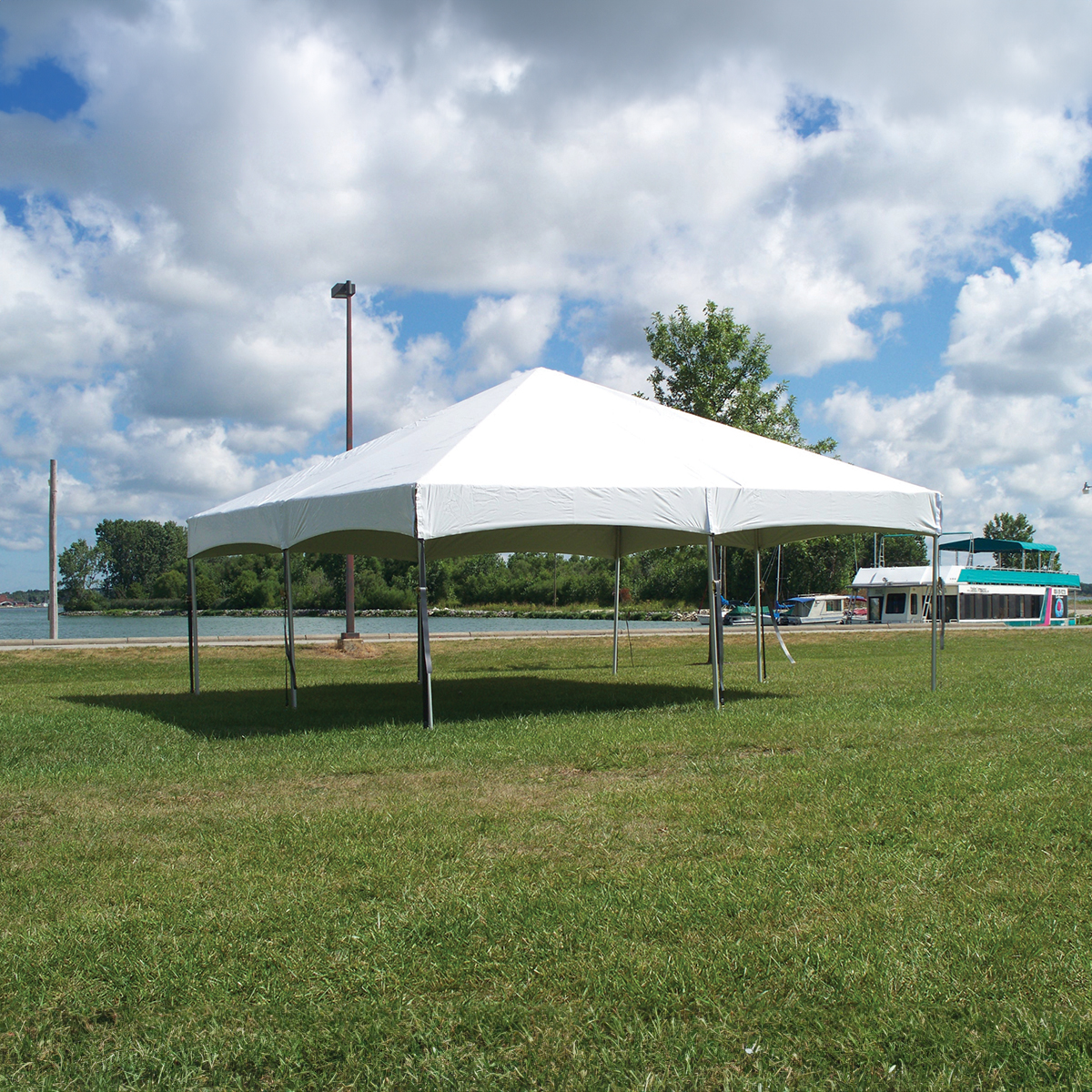
Different areas of a festival have different shelter needs.
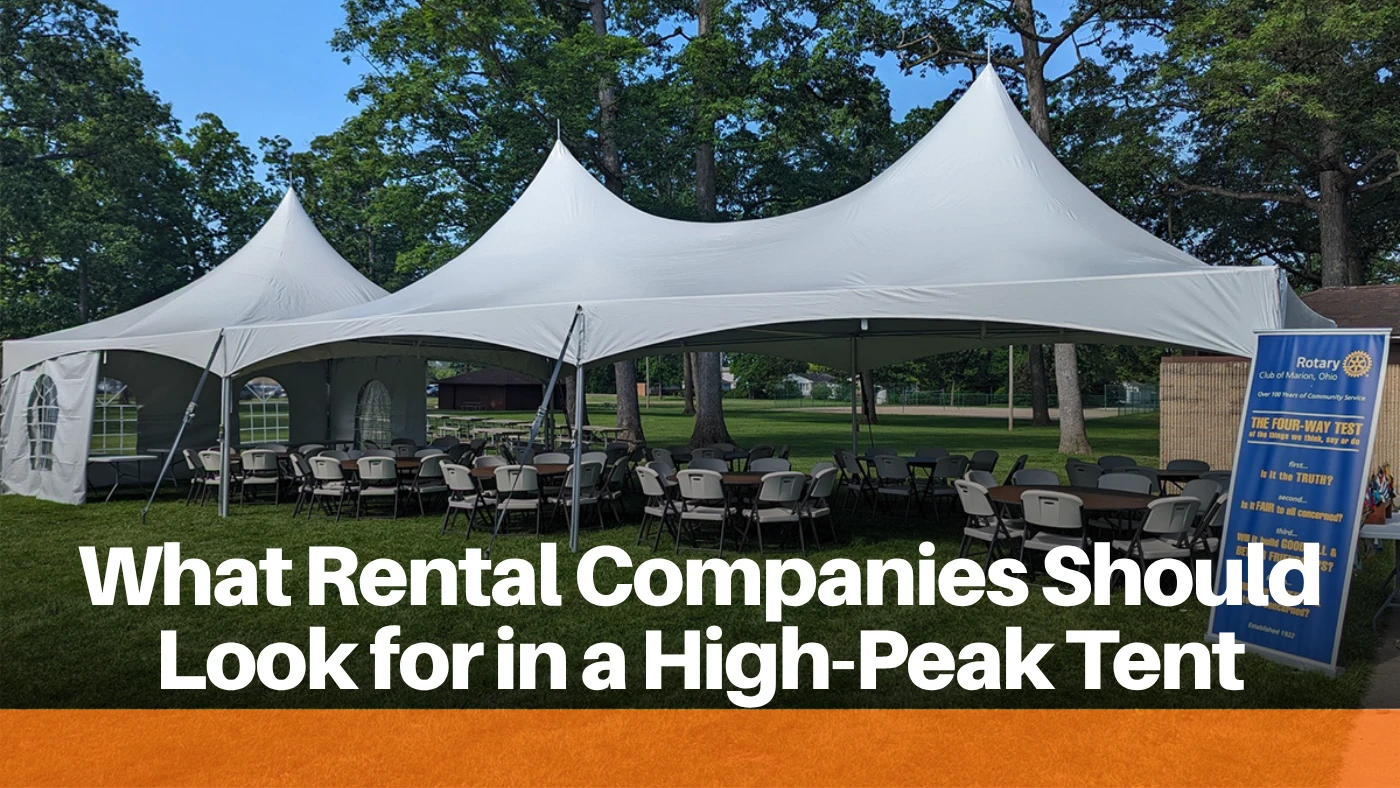
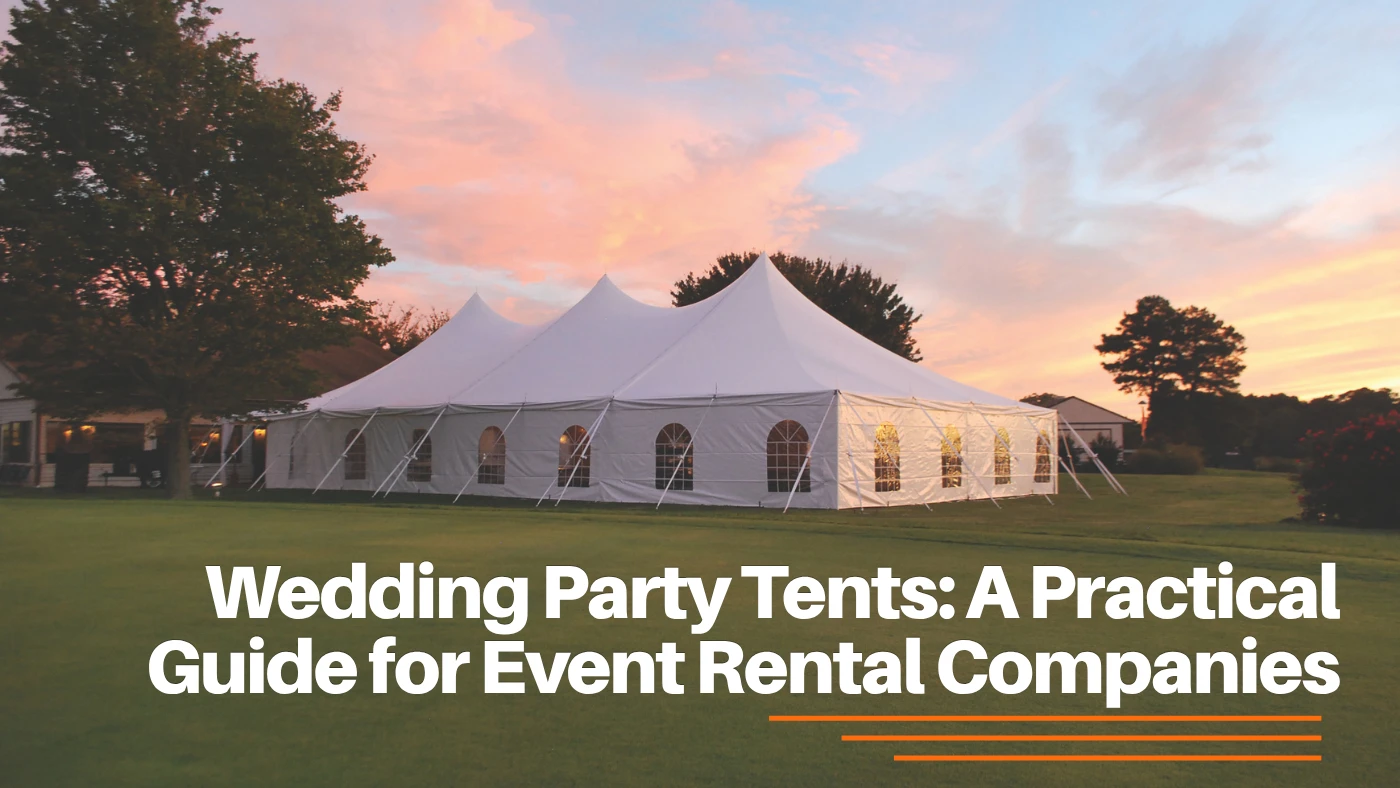
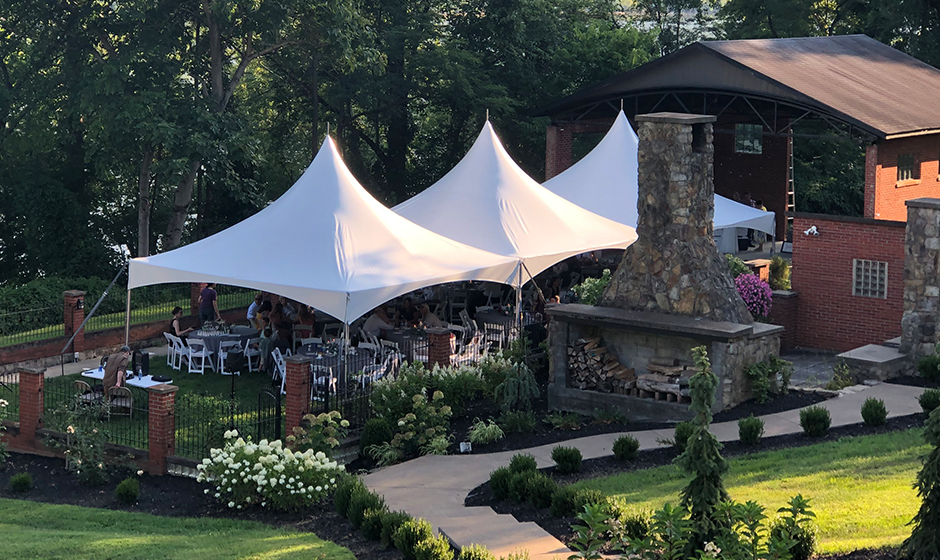
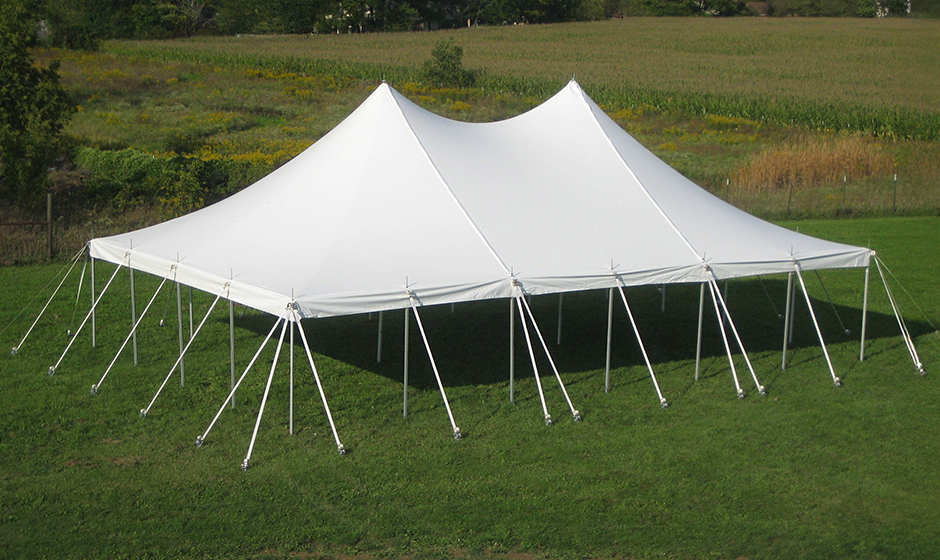
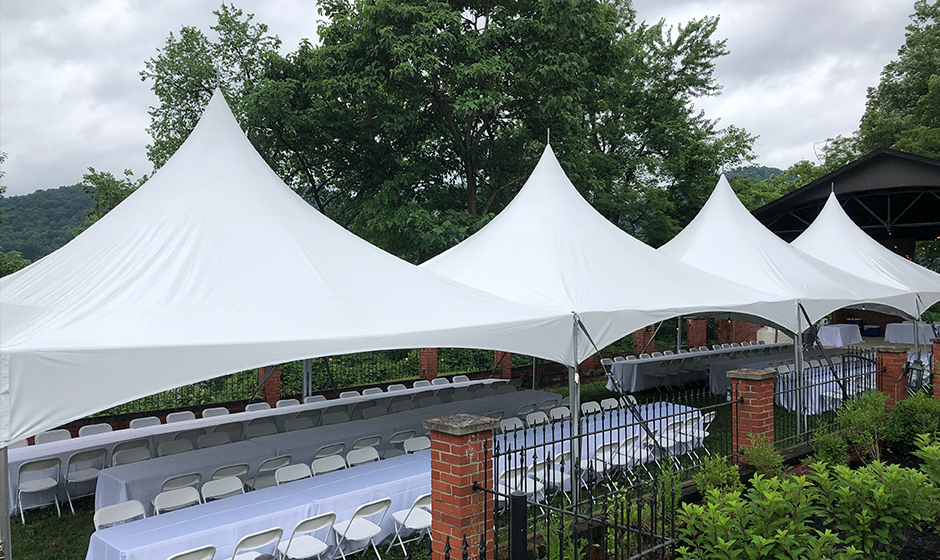
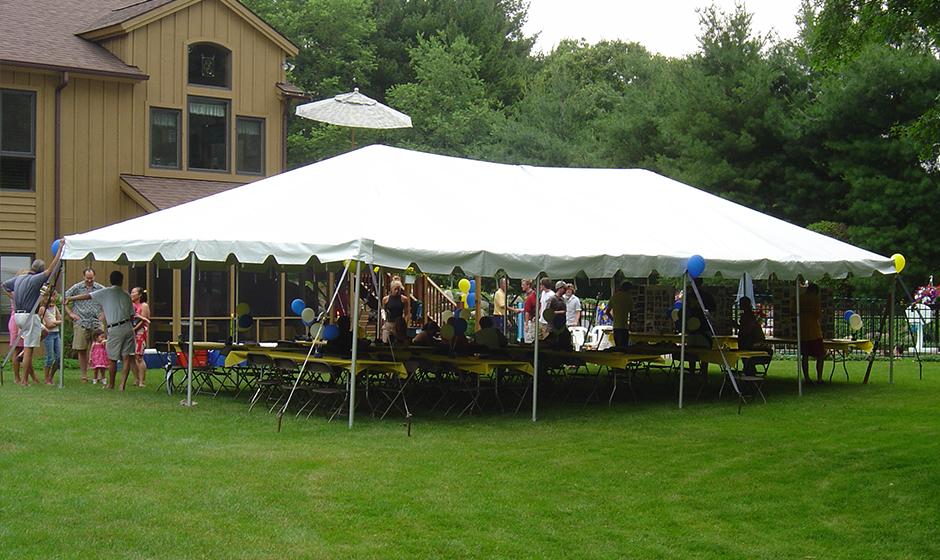
A dining area may need a large tent with room for tables and chairs. A ticket station or craft vendor may only need a compact canopy.
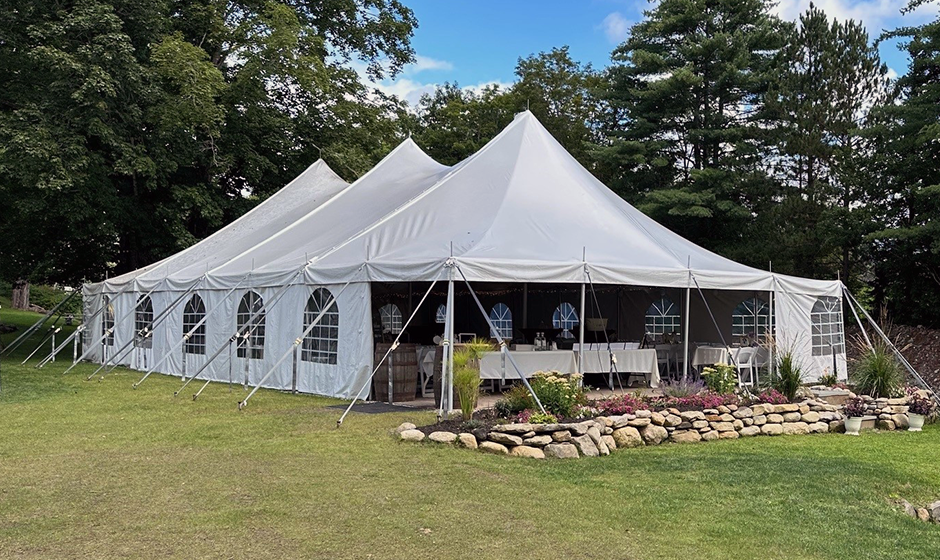
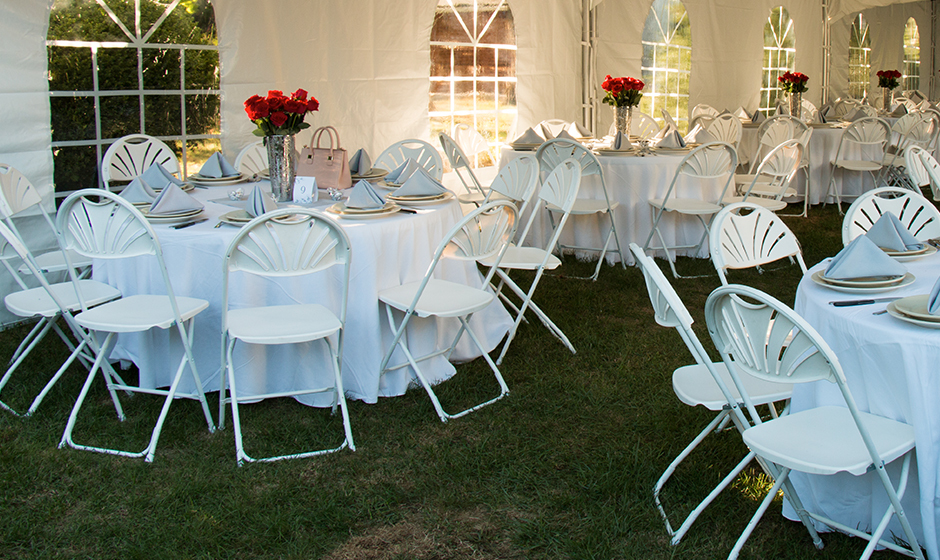
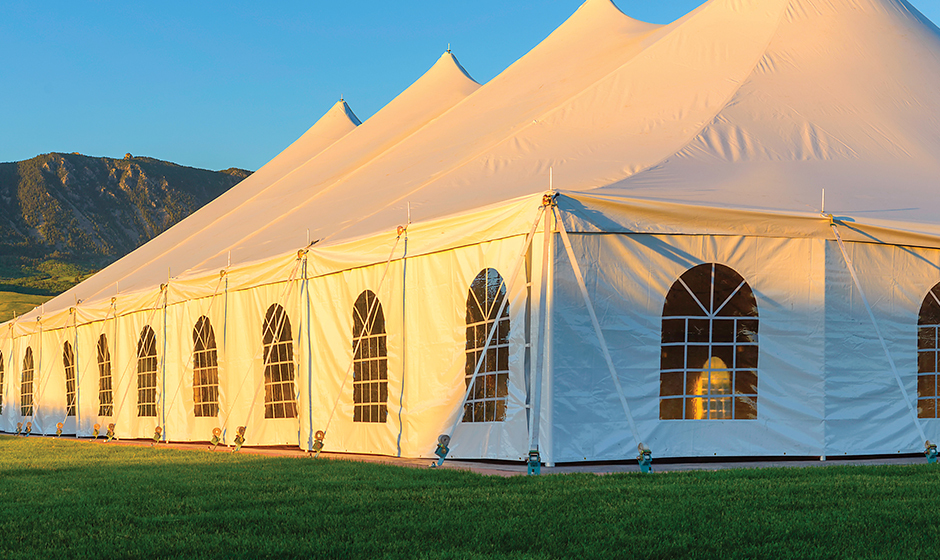
Use Larger Tents for Dining and Gathering
Do not choose a dining tent based on guest count alone.
Think about everything going inside:
- Tables
- Chairs
- Food stations
- Beverage areas
- Entertainment
- Service routes
- Guest walkways
Chairs also take up more room once people sit down and pull them away from the tables.
Plan the full layout before choosing your tent size.
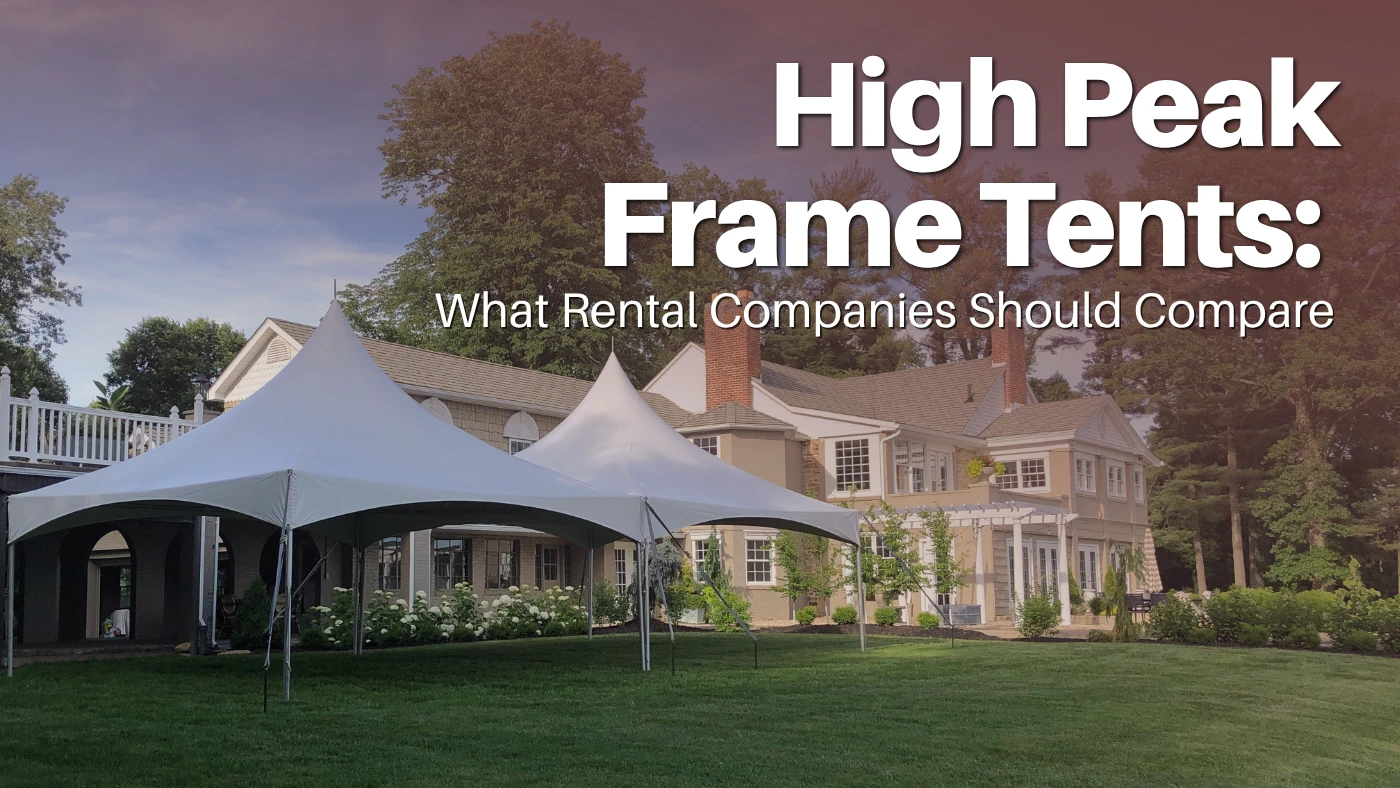
CELINA offers commercial event tents in a range of sizes and styles for dining, entertainment, and other festival spaces.
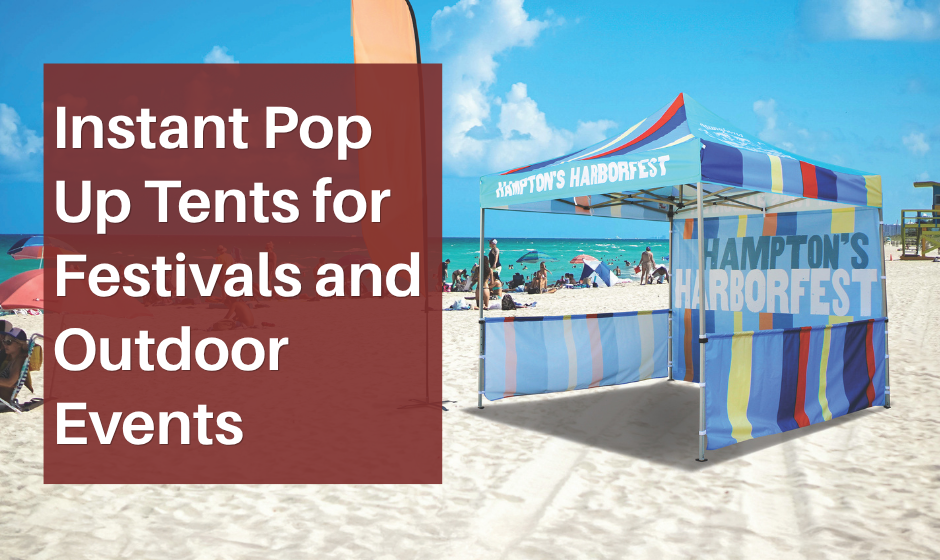
Add Pop-Up Tents for Vendors and Check-In
Pop-up tents work well for smaller festival stations.
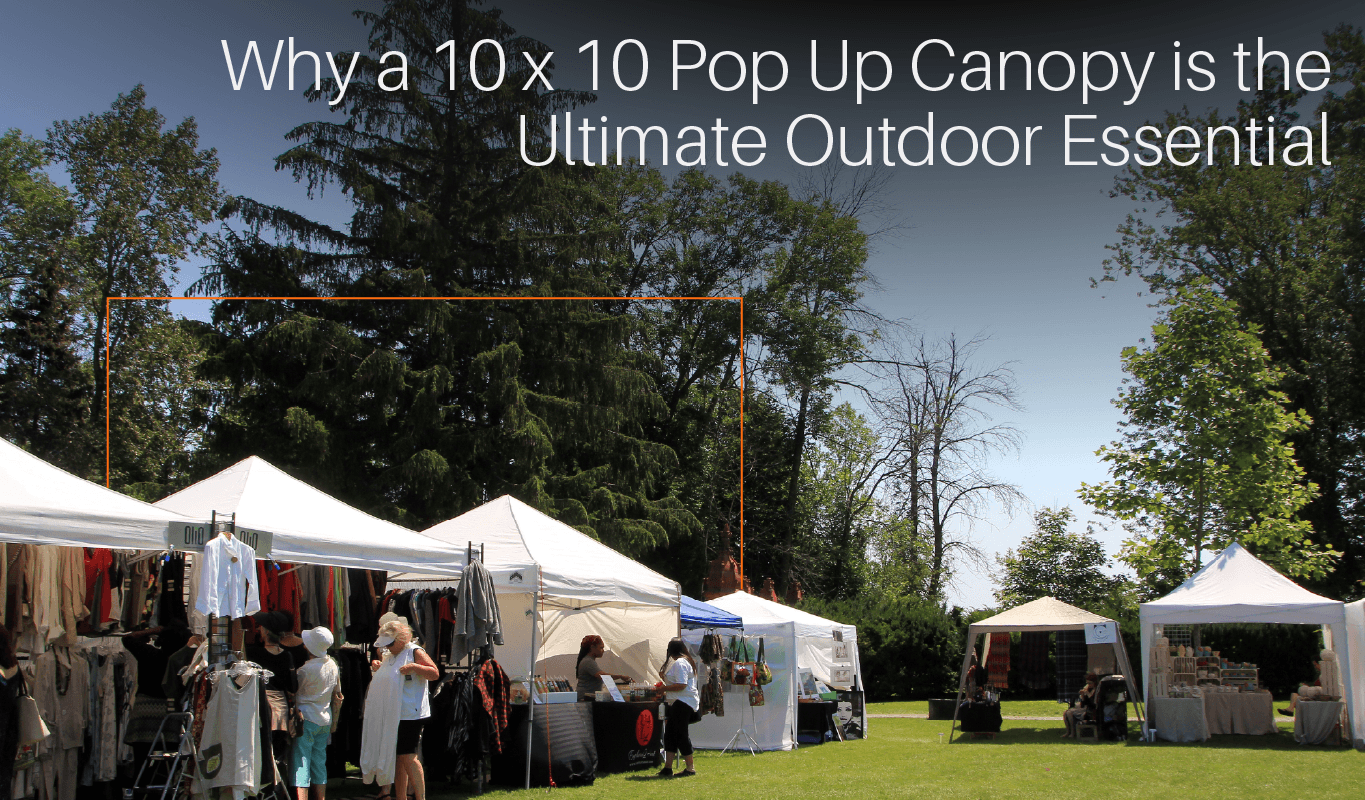
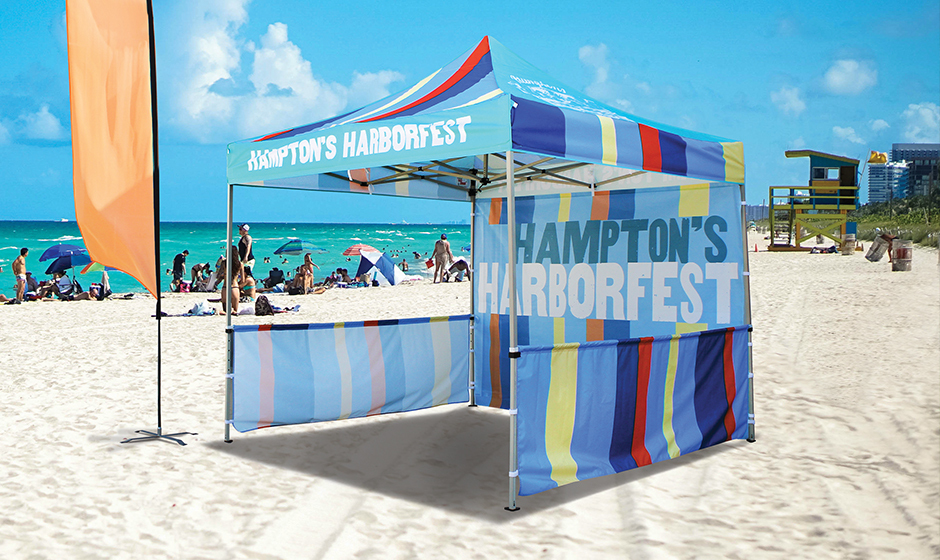
Use them for ticket sales, registration, craft vendors, merchandise, information booths, and other compact areas.
They can also help create a consistent look when several vendors use the same booth size.
CELINA's commercial pop-up tents give event teams a portable option they can use across festivals and other outdoor events.
Leave Room Around the Tent
The tent footprint is not the only space you need.
Depending on the structure, installation may require room for stakes, anchors, or guy lines.
Check the tent specifications before marking its location.
Also look for overhead lines, trees, irrigation systems, and underground utilities before installation begins.
Prepare for Fall Weather
Fall weather can change quickly, especially during events that run from afternoon into evening.
Check the forecast before setup and continue monitoring conditions throughout the event.
The National Weather Service recommends that outdoor event organizers identify weather risks ahead of time. Teams should also decide how they will communicate alerts and where guests should go if dangerous weather develops.
Anchor Tents Properly
A calm forecast does not change the tent's installation requirements.
Anchor every tent according to the manufacturer's instructions. Use the correct equipment for the structure and surface.
Crews should inspect the finished installation before guests arrive.
Keep Sidewalls Ready
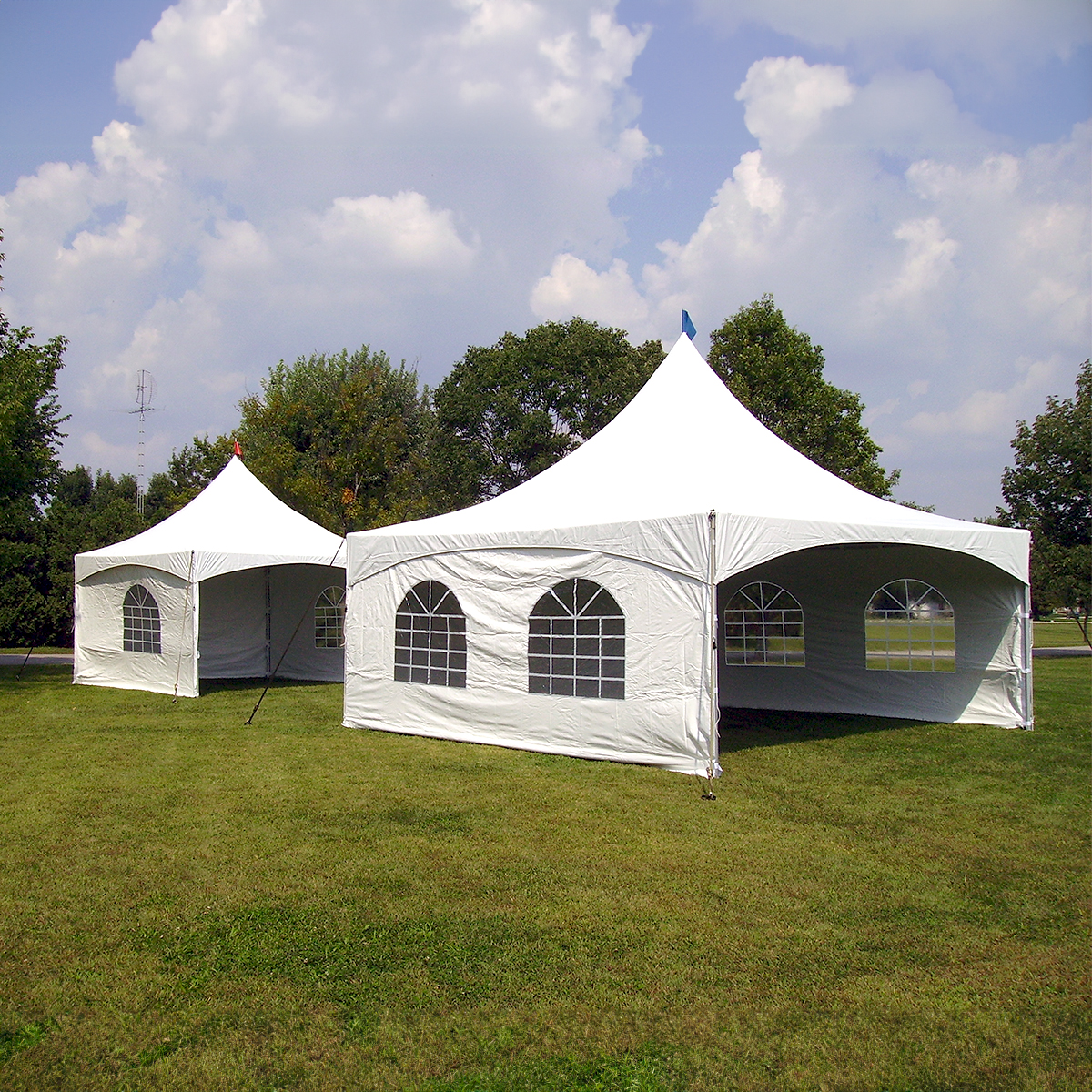
Sidewalls can help when cooler temperatures or wind-driven rain arrive.
You may not need to enclose every tent from the beginning. Keeping compatible sidewalls available gives your team another option if conditions change.
They can be useful for dining tents, staff areas, vendor spaces, and covered activities.
CELINA offers sidewalls for compatible commercial tent systems.
Plan for Cooler Temperatures
Do not plan only for the temperature when the festival opens.
A comfortable afternoon can become a chilly evening.
If you use approved portable heating equipment, follow the heater and tent manufacturers' requirements. Keep heaters away from combustible materials and follow applicable fire rules.
Have a Severe Weather Plan
A tent should not serve as your default severe weather shelter.
Know who will monitor conditions and who can stop festival activities. Decide where guests should go and how your team will communicate instructions.
Make those decisions before the event starts.
Protect Busy Areas From Mud
Rain does not need to fall during the festival to cause problems.
Rain the night before may already leave parts of the site soft or muddy.
Check the ground before setup. Pay particular attention to:
- Tent entrances
- Food lines
- Restroom routes
- Seating areas
- Ticket stations
- Main walkways
Look for low areas where water collects.
Flooring may help in covered dining spaces and other high-traffic areas. You can also redirect foot traffic away from sections that become too wet.
Do not wait until hundreds of guests have walked across the same patch of grass to deal with the problem.
Set Up Seating Where Guests Need It
Guests will want somewhere to sit between food, activities, shopping, and entertainment.
Instead of putting every chair in one place, think about where people are most likely to stop.
Create a Main Dining Area
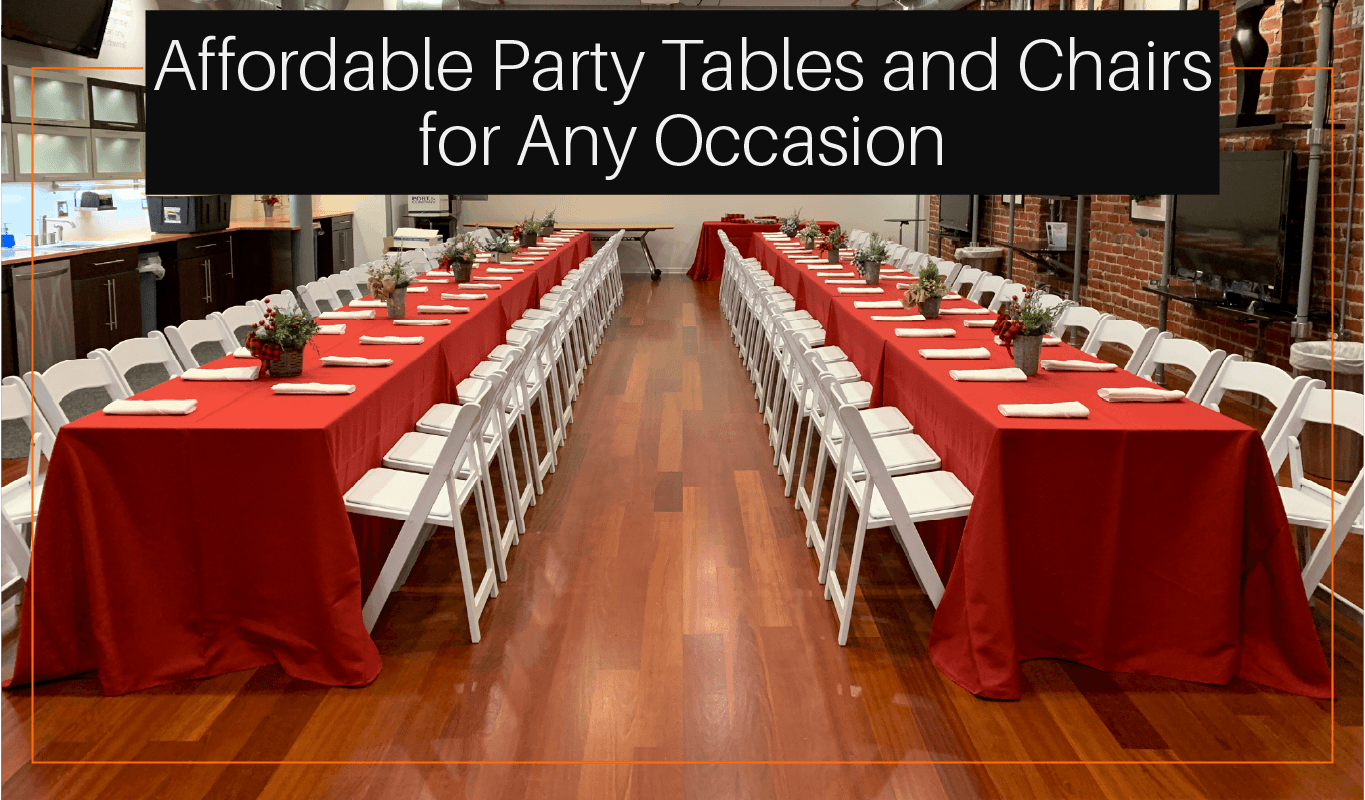
Place the main tables and chairs close to food vendors without putting them directly beside the ordering lines.
Leave enough room behind chairs for people to get up and move.
Servers and staff may also need routes through the seating area.
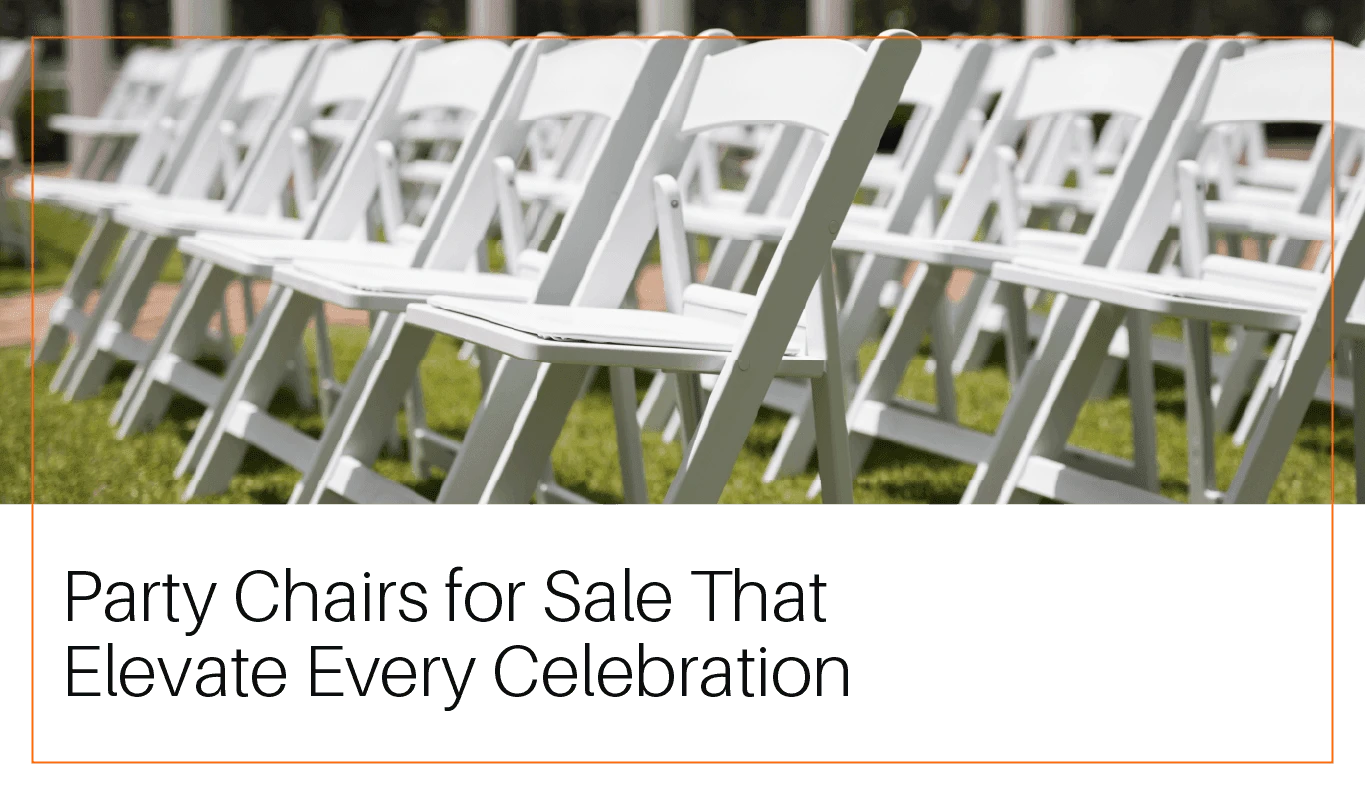
CELINA offers commercial tables and folding chairs that can work across festivals, parties, and other outdoor events.
Add Seating Near Activities and Entertainment
Smaller seating areas can be useful around a larger festival site.
Parents may want somewhere to sit near children's activities. Other guests may want to watch live music without standing for an entire performance.
You can also place a few tables or chairs farther from the busiest areas for guests who want a quieter break.
Give Vendors and Food Lines Enough Room
A vendor's space does not end at the edge of the tent.
Vendors may bring tables, displays, stock, coolers, boxes, chairs, and signs. Customers also need somewhere to stand while they browse or wait.
Mark booth spaces clearly before vendors arrive.
Encourage vendors to keep extra stock behind their booths instead of placing boxes in guest walkways.
Food vendors need even more attention.
A popular stand can quickly develop a long line. Give that line somewhere to go without blocking other booths or the main path.
Where possible, keep ordering, pickup, and dining areas separate.
Guests should be able to collect their food and reach a table without walking back through the same line.
Plan for Earlier Fall Sunsets
One of the easiest fall event details to underestimate is daylight.
If your festival continues into the evening, plan the lighting while you can still see the site clearly.
Light Walking Areas First
Start with functional lighting.
Prioritize:
- Main walkways
- Tent entrances
- Steps
- Restrooms
- Food areas
- Seating
- Exits
- Routes to parking
Decorative string lights can add to the fall atmosphere, but they should not replace the lighting guests need to move around safely.
If possible, walk the site after dark before event day. You may find areas that need more light than expected.
Check Power Before Event Day
Lighting is not the only equipment that needs electricity.
Food vendors, bands, DJs, ticket equipment, and displays may all need power.
Find out what each area requires before setup.
Keep cords away from walking paths where possible. Use suitable cable protection where cords must cross guest routes.
Signs should also remain easy to see after sunset. Clearly mark exits, restrooms, food areas, first aid, and other important locations.
Create Separate Activity Zones
Fall festivals often have several things happening at once.
Creating clear zones can keep those activities from competing for the same space.
Food and Dining
Keep food vendors and dining close enough to work together.
Leave enough room for ordering lines, pickup, tables, chairs, and trash stations.
Games and Family Activities
Give children's games and activities more room than the equipment itself requires.
Parents and other family members often gather around the activity, which increases the amount of space you need.
Music and Entertainment
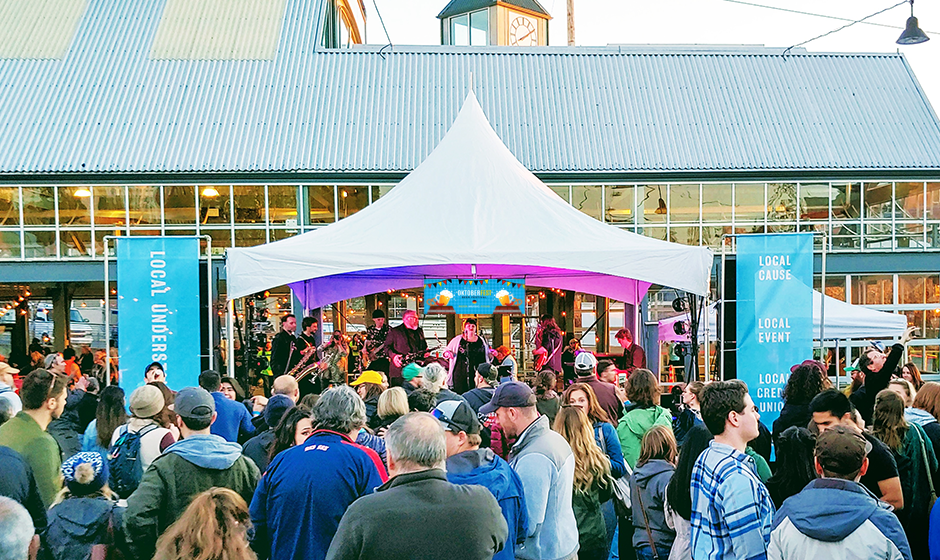
Plan for the stage, speakers, performers, equipment, and audience.
Keep louder entertainment away from areas where guests are likely to sit and talk when the site allows.
Make Setup Easier on Your Crew
Install the Biggest Equipment First
A clear setup order can save a lot of unnecessary moving around.
Start with the items that affect everything around them.
- Tents and major structures
- Flooring
- Stage and large equipment
- Vendor spaces
- Tables and chairs
- Power and lighting
- Signs
- Decorations
Do not decorate an area while another crew still needs to install equipment there.
Complete a Final Walk-Through
Before opening, walk the festival from the guest's point of view.
Follow the route from parking to the entrance, activities, food, seating, restrooms, and exit.
Check whether:
- Paths are clear
- Signs are easy to find
- Chairs have enough room
- Food lines have somewhere to form
- Tent equipment is secure
- Cords are protected
- Exits remain clear
- Lighting covers important areas
If the festival continues after dark, check the site again once the sun goes down.
Small problems are much easier to fix before the crowd arrives.
Get Your Fall Festival Equipment Ready
A successful fall setup is not about filling every part of the site.
It is about putting the right equipment where people need it.
Use tents to create useful covered spaces. Keep food lines and busy attractions away from main walkways. Give guests places to sit. Prepare for cooler temperatures, wet ground, and earlier sunsets.
CELINA supplies commercial event tents, pop-up canopies, tables, chairs, sidewalls, flooring, and accessories for outdoor festivals and events.
Browse CELINA's full event equipment selection at GetTent.com when it is time to get your fall festival setup ready.
Everything You Need for Your Next Fall Festival
Shop commercial event tents, pop-up canopies, tables, chairs, sidewalls, flooring, and accessories built for outdoor festivals and seasonal events.
Shop Event EquipmentCommercial Quality | Fast Shipping | Built for Outdoor Events
Frequently Asked Questions
What equipment do you need for a fall festival?
Common equipment includes tents or canopies, tables, chairs, lighting, signs, vendor equipment, and waste stations. Larger festivals may also need flooring, stages, power equipment, and weather-related accessories.
What tents work well for fall festivals?
Larger event tents work well for dining and gathering spaces. Smaller tents and pop-up canopies can cover vendors, check-in stations, merchandise, and activities. Choose each tent based on its use and the available site space.
How do you prepare a fall festival for rain?
Monitor the weather, anchor tents correctly, identify areas likely to become muddy, and keep a severe weather plan ready. Flooring and compatible sidewalls may also help in suitable areas.
How can you keep guests comfortable in cooler weather?
Provide covered spaces and suitable sidewalls where needed. Plan around temperatures later in the day. If you use approved heating equipment, follow the manufacturer's instructions and applicable fire requirements.
What areas of a fall festival need lighting?
Prioritize entrances, exits, walkways, restrooms, food areas, seating, steps, and routes to parking. Make sure important signs remain visible after sunset.