



Outdoor Event Tent for Parties, Weddings, and Large Gatherings
Planning an outdoor event is exciting. The open air. The natural light. The freedom to create your own layout. Outdoor spaces allow creativity in a way traditional venues sometimes cannot. You’re not confined to walls or ceilings — you’re designing an experience.
But there’s always one question in the back of everyone’s mind:
"What if the weather doesn’t cooperate?"
Outdoor events come with uncertainty; sudden rain, strong sun, shifting winds. A professionally installed outdoor event tent eliminates that stress by creating a protected, comfortable space your guests can rely on.
That’s where an outdoor event tent becomes more than just a structure. It becomes reassurance. It creates a defined space where guests can gather comfortably, rain or shine. Instead of worrying about sun exposure, wind shifts, or unexpected rain, you gain control over your environment.
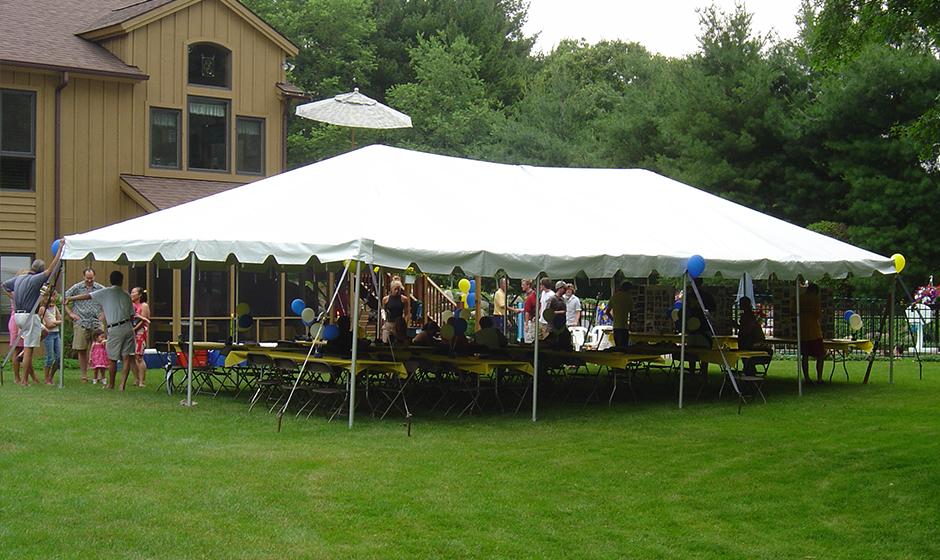
Whether you’re organizing a wedding, graduation party, corporate function, fundraiser, festival, or neighborhood celebration, the right tent transforms open ground into a real venue — structured, welcoming, and prepared.
Why an Outdoor Event Tent Changes Everything
Without a tent, your event relies completely on conditions you can’t control. Outdoor events without coverage often feel temporary and reactive. With a tent, the entire atmosphere shifts. It feels intentional.
Too much sun? Guests start searching for shade.
Unexpected rain? Tables and décor scramble for cover.
Strong wind? Lightweight setups feel unstable.
An outdoor event tent eliminates those vulnerabilities before they become problems. It provides protection, defines your layout boundaries, and establishes a focal point for your event.
Instead of hoping for perfect weather, you prepare for any condition — and that preparation shows in the overall experience.
Choosing the Right Size Outdoor Event Tent
Size is one of the most important decisions you’ll make. Selecting the wrong size impacts comfort, movement, and overall flow.
When evaluating tent size, consider:
- Guest count
- Seating style (round vs banquet tables)
- Dance floor or stage area
- Buffet or catering stations
- Bar placement
- Walkways and accessibility
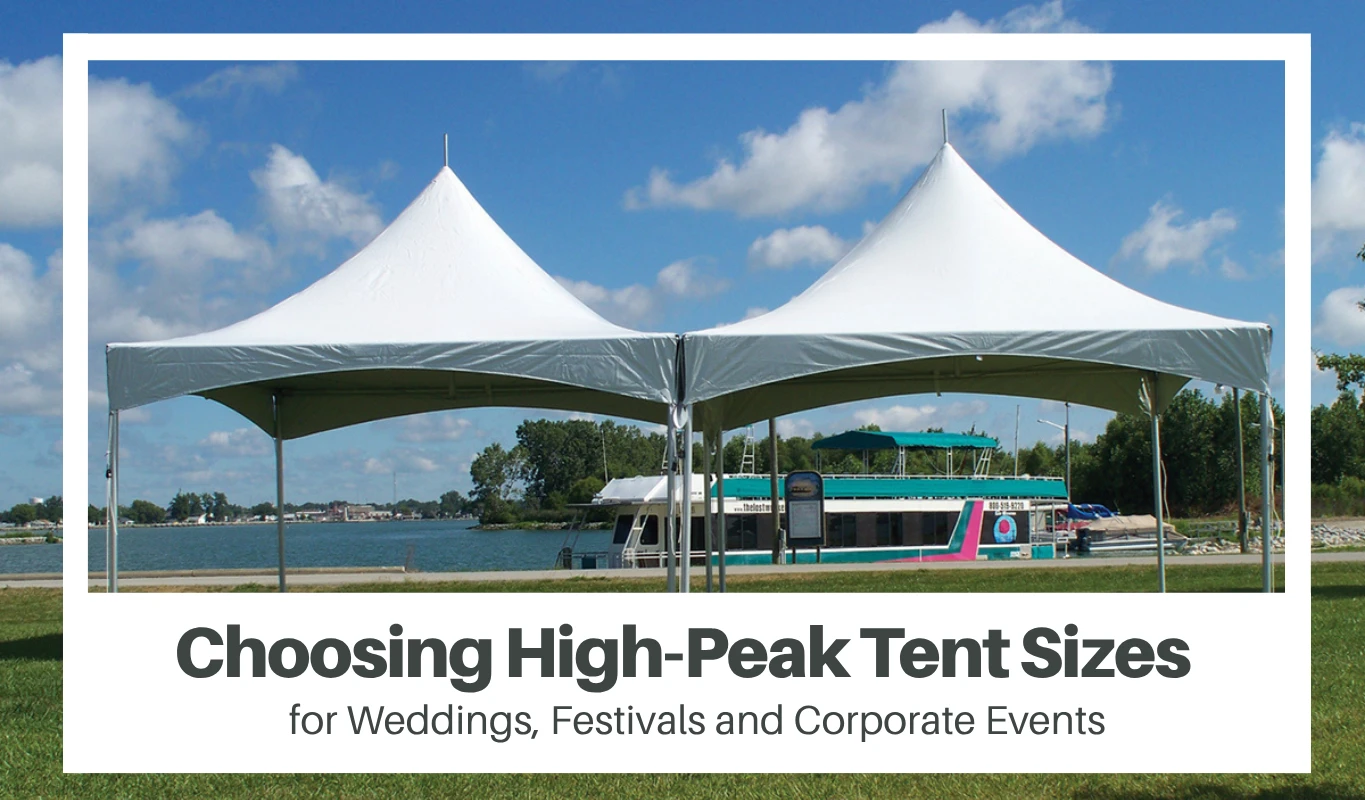
A 20x20 tent may work for intimate gatherings under 50 guests. A 30x60 or 40x60 tent supports 150–200 guests comfortably. Large-scale events may require 40x80 or larger footprints to maintain proper circulation.
Always plan for movement — not just chairs. Events feel smoother when guests can navigate naturally without congestion.
Pole Tent vs Frame Tent: Understanding the Difference
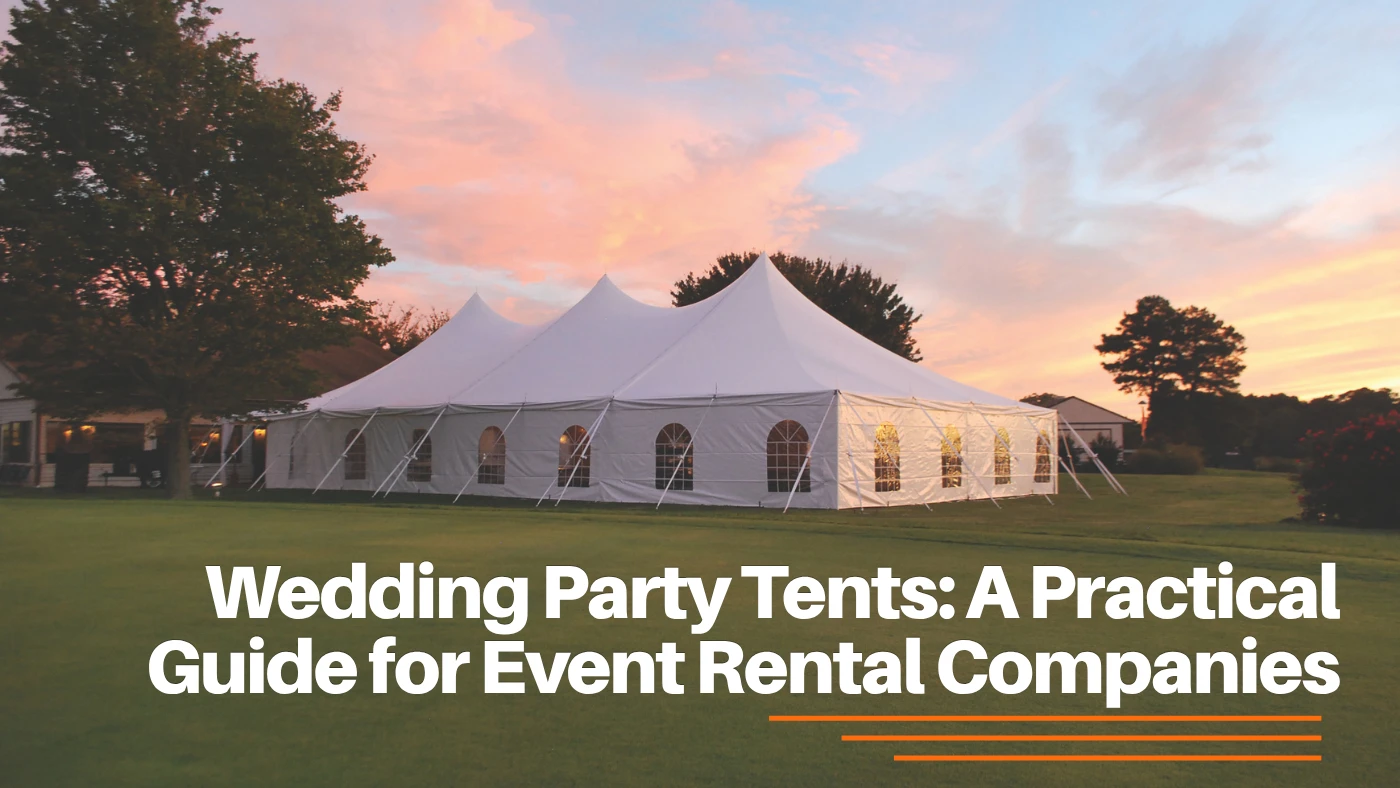
Outdoor event tents typically fall into two structural categories: pole tents and frame tents.
Pole Tents
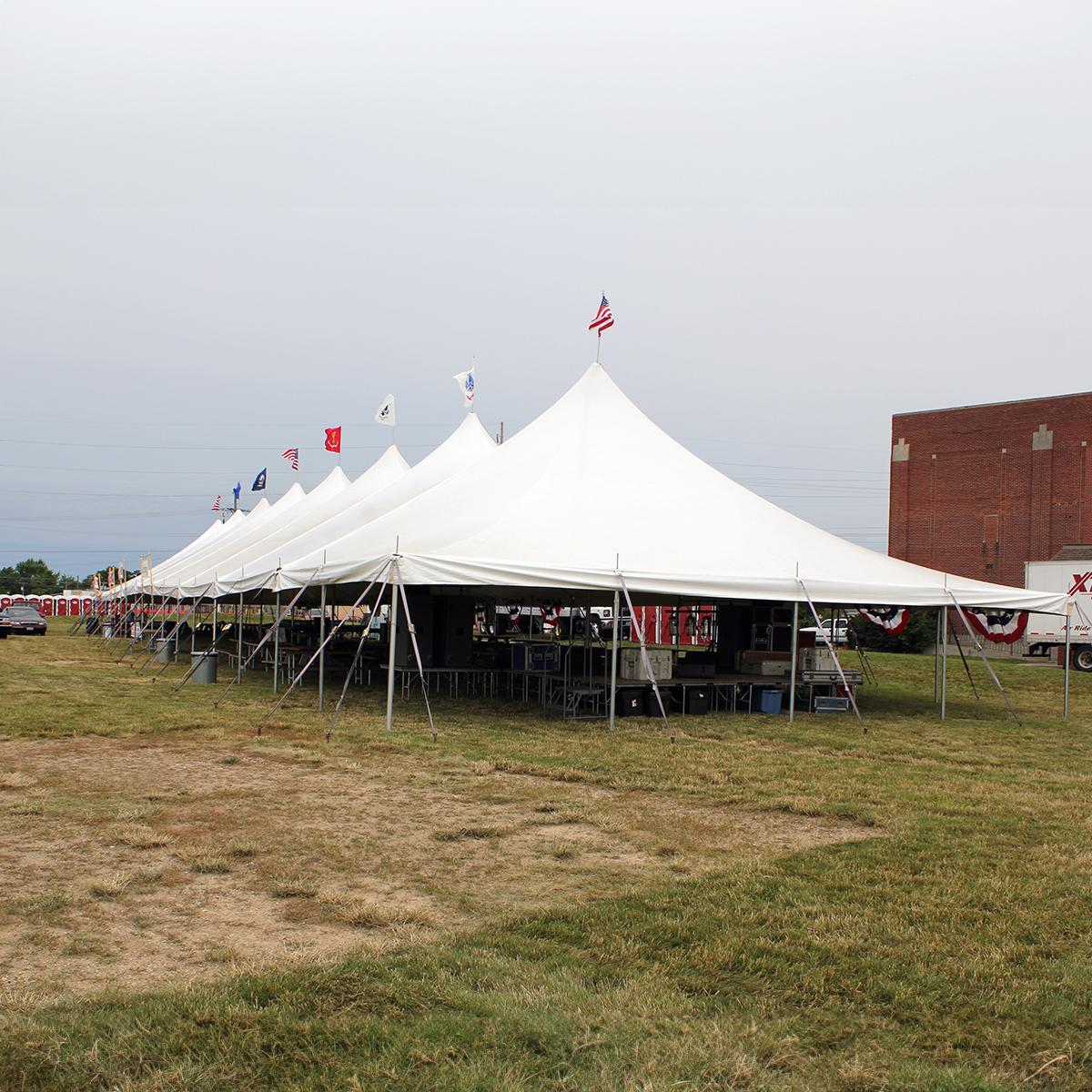
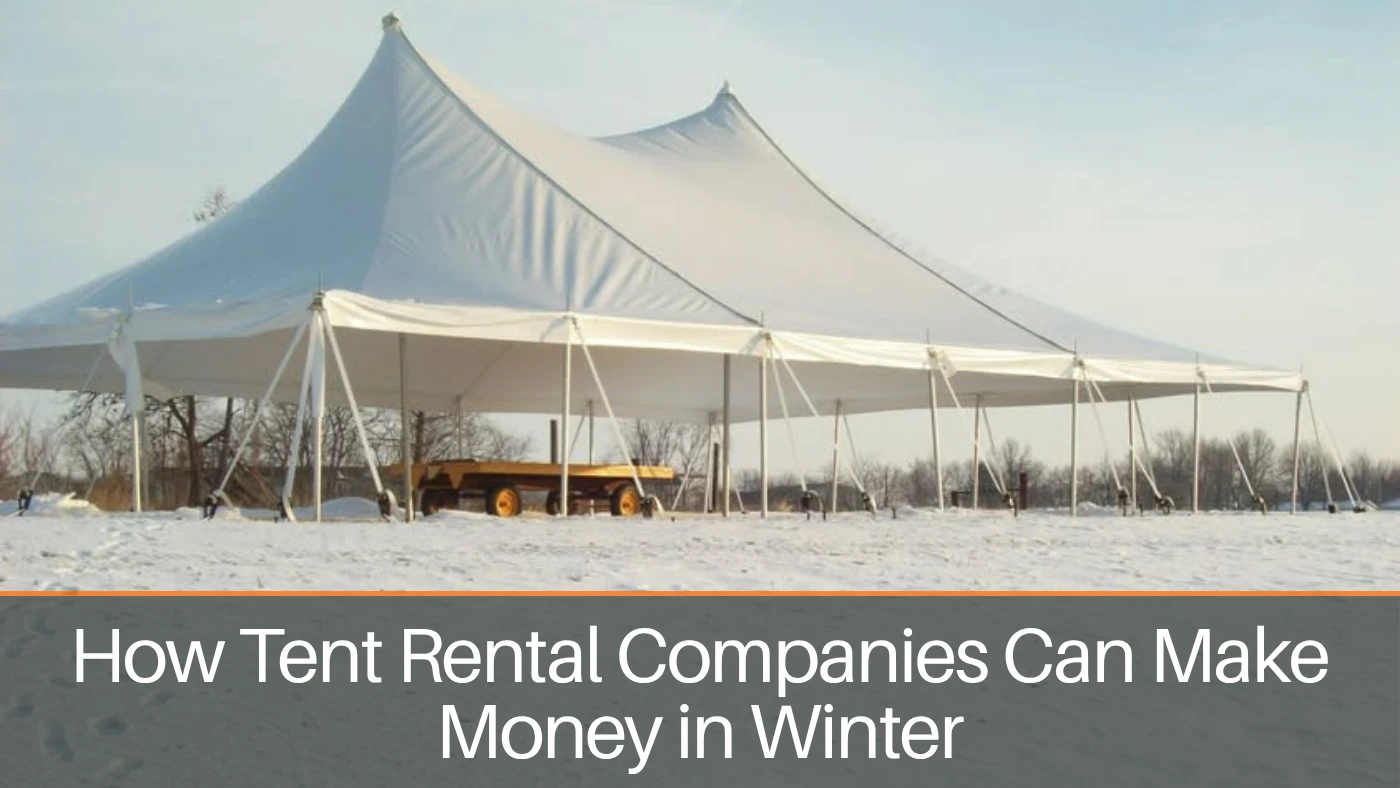
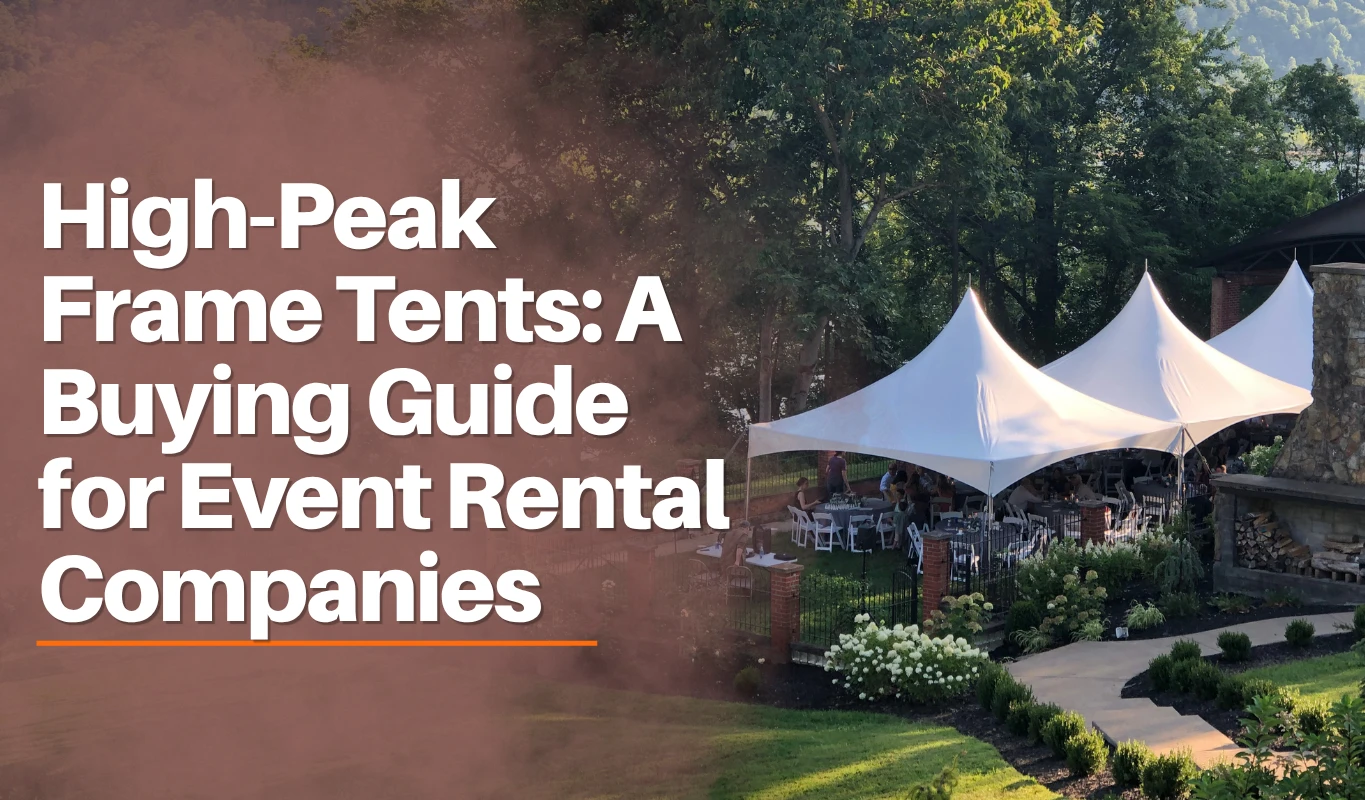
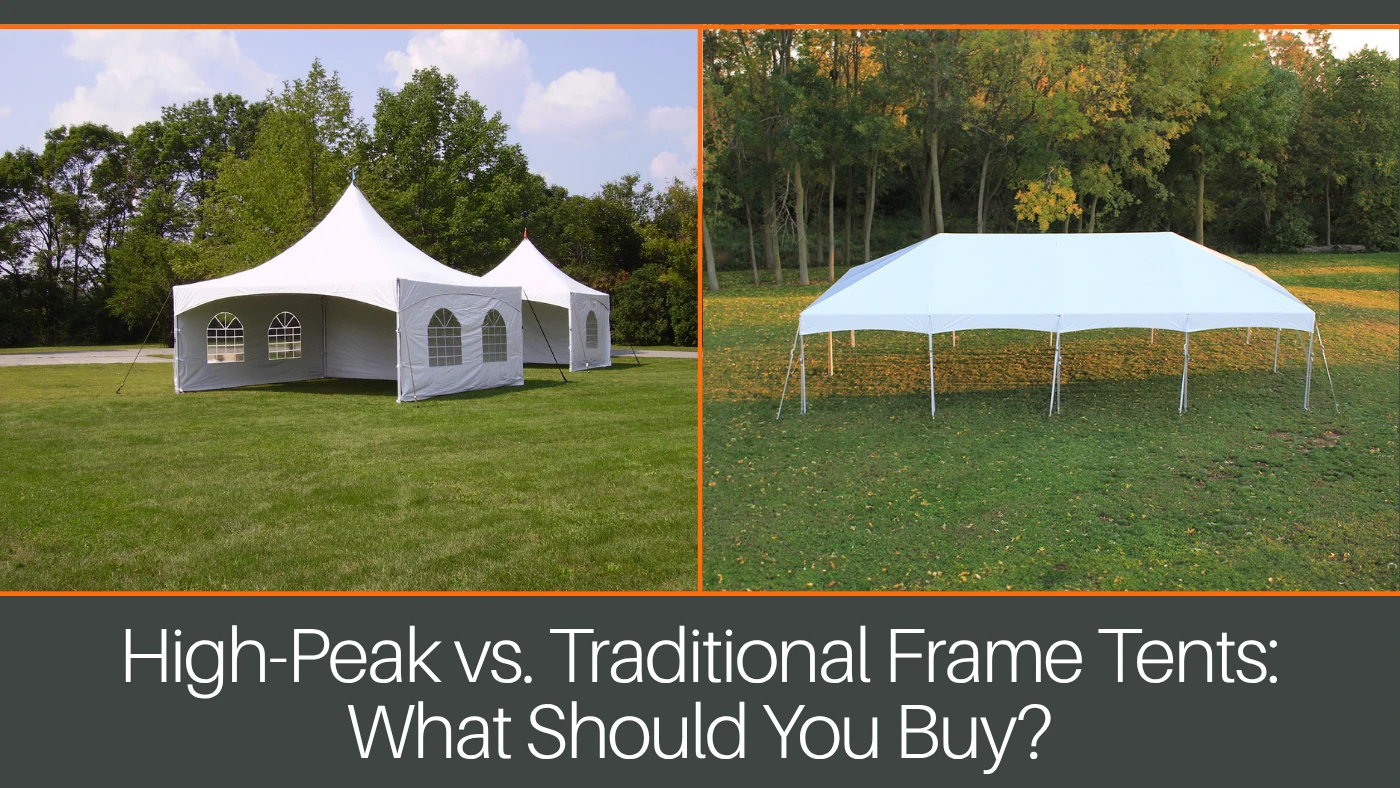
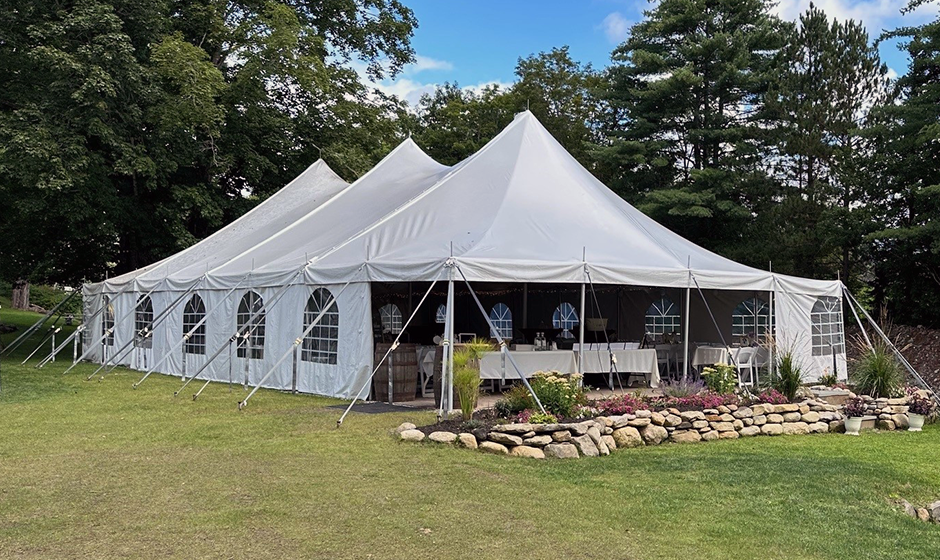
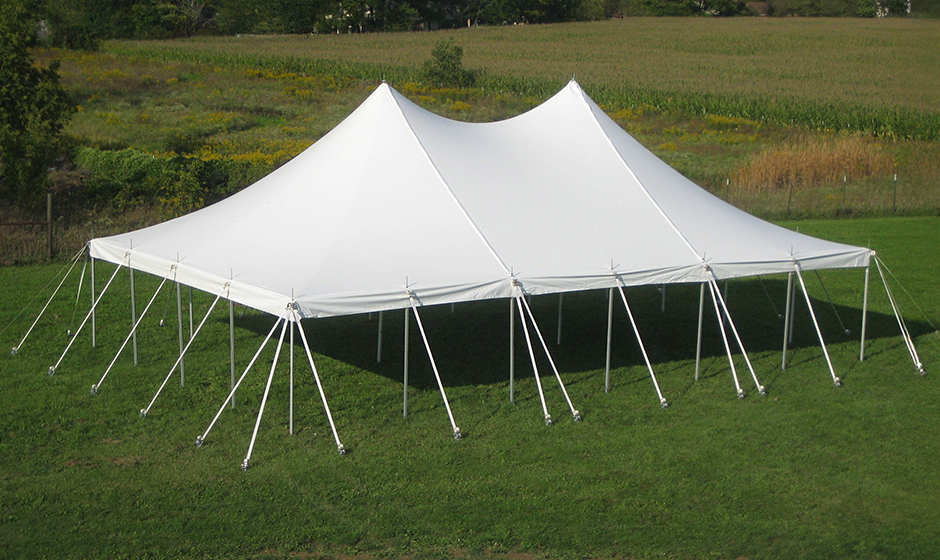
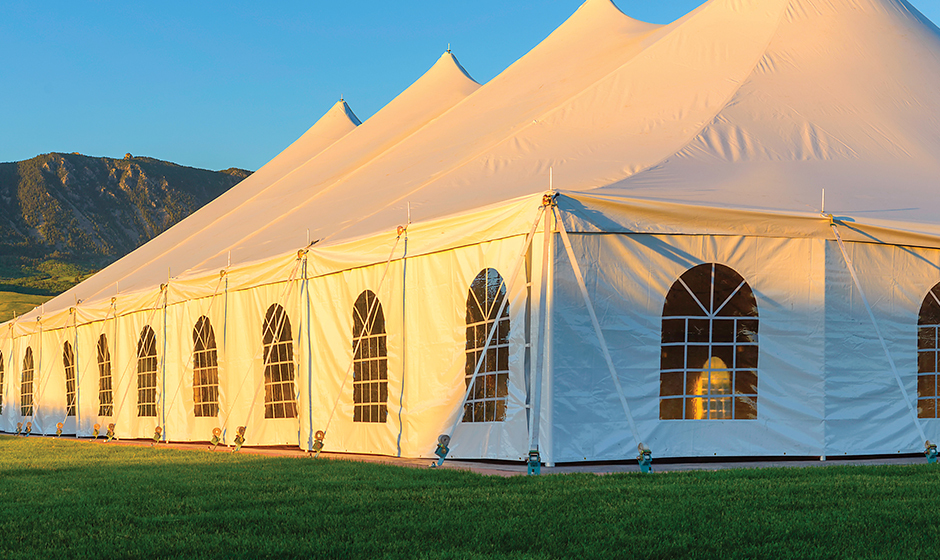
Pole tents use center poles and tensioned fabric to create sweeping peaks. They’re visually striking and ideal for grassy surfaces. The high peaks add height and drama, especially for weddings and formal gatherings.
Frame Tents
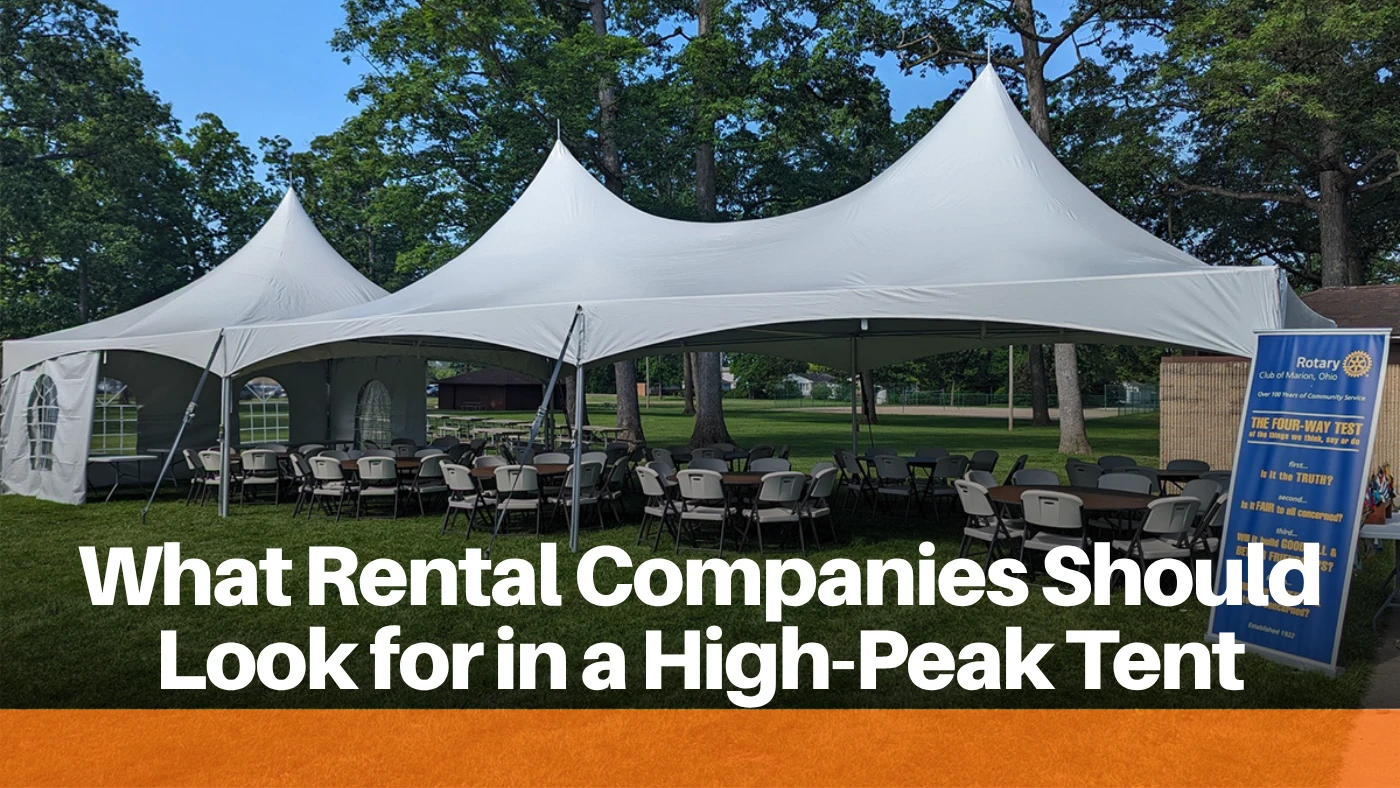
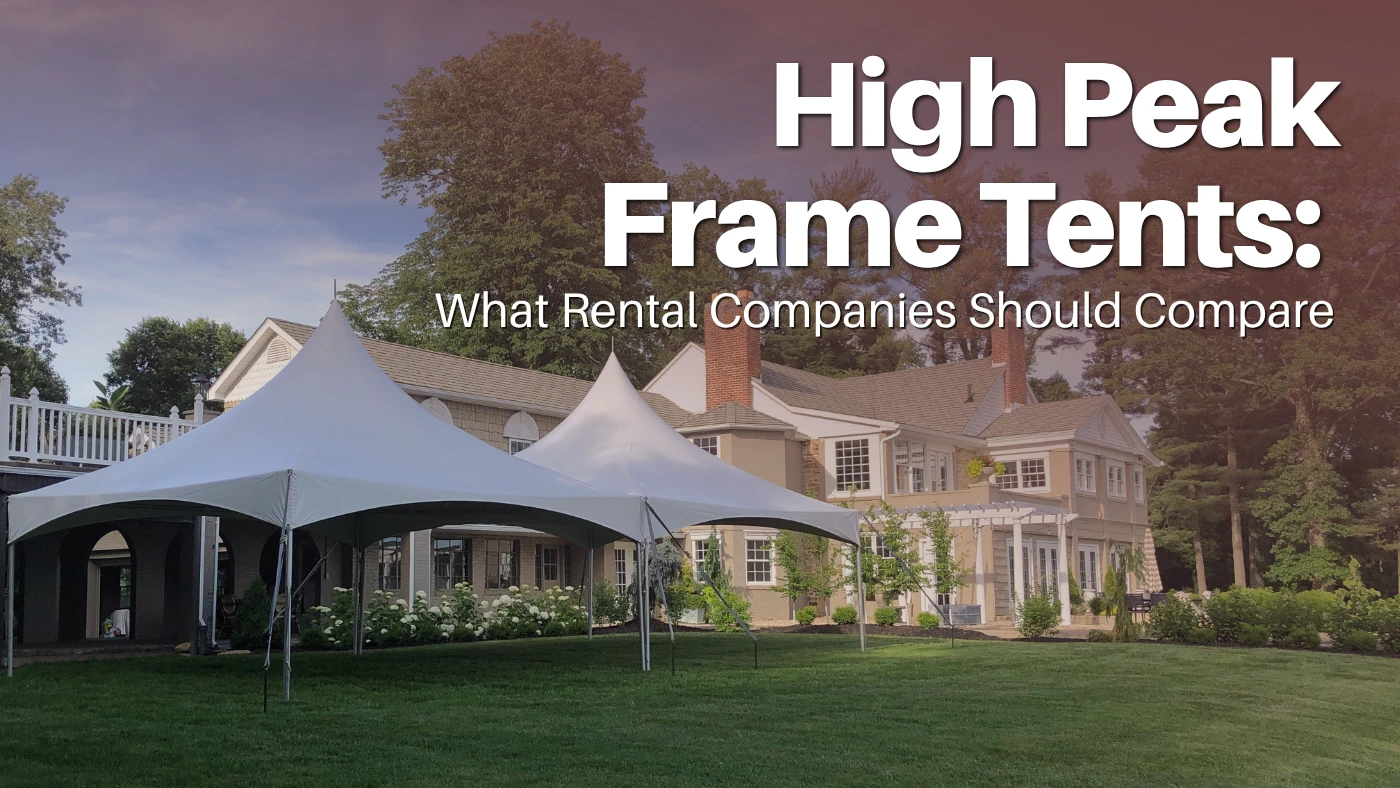
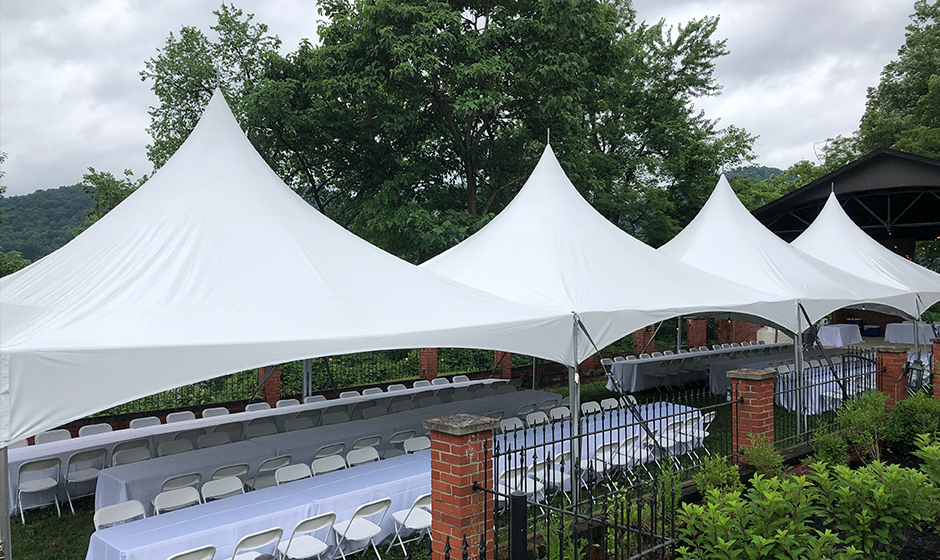
Frame tents rely on an internal aluminum framework. They eliminate center poles entirely, creating open floor plans and greater layout flexibility. They can be installed on grass, asphalt, concrete, or other hard surfaces using ballast systems.
If aesthetics and lawn installations are your priority, pole tents shine. If flexibility and hard-surface installation matter more, frame tents are often the better choice.
Designing the Interior Atmosphere
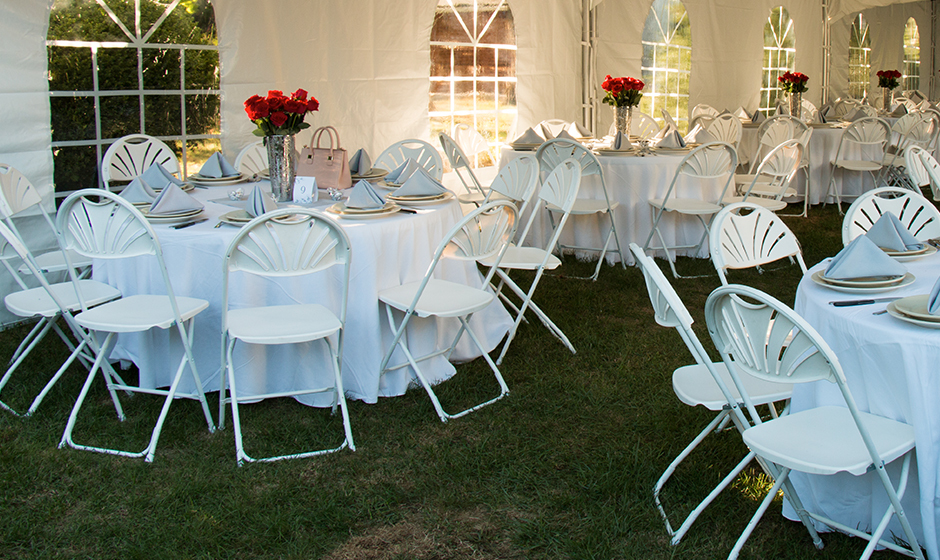
An outdoor event tent is a blank canvas. With thoughtful additions, it can feel elegant, modern, rustic, festive, or corporate.
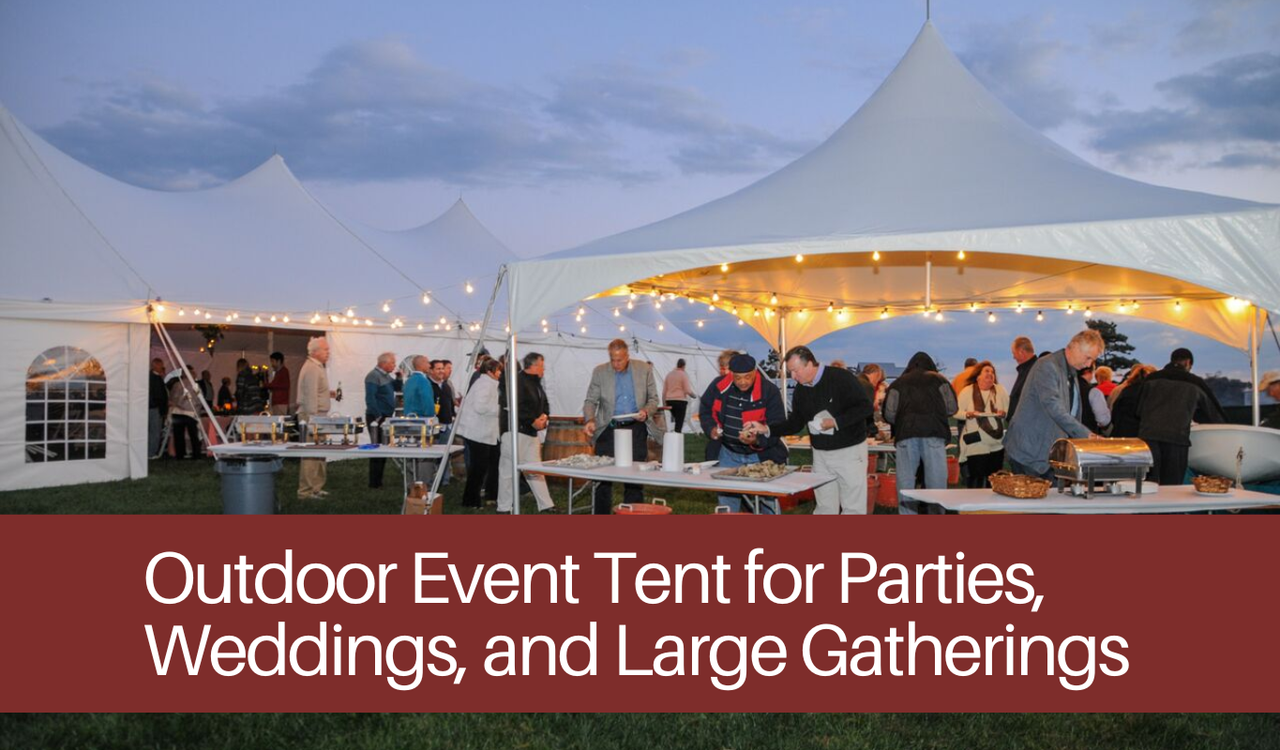
- String lights create warmth
- Chandeliers add formality
- Draping softens the structure
- Liners elevate the interior
- Clear tops enhance scenic views
Lighting especially transforms the mood after sunset. A well-lit tent shifts from practical shelter to immersive event space.
Weather Protection and Comfort Planning
Protection is the foundation of any outdoor event tent.
High-quality tents are engineered to handle:
- Sun exposure
- Rainfall
- Moderate seasonal wind
Sidewalls increase protection and allow you to adjust based on weather changes. Clear panels maintain views while blocking wind and rain. Solid sidewalls add privacy.
For seasonal events, heaters, fans, or cooling systems significantly improve guest comfort. Comfortable guests stay longer and engage more fully.
Installation and Logistics
Installing an outdoor event tent requires planning and professional coordination.
- Ground conditions must be evaluated
- Access for delivery trucks is essential
- Anchoring must meet safety standards
- Setup should occur at least one day prior for formal events
Proper installation ensures structural integrity and peace of mind. Larger tents especially benefit from experienced crews and early preparation.
Buying vs Renting an Outdoor Event Tent
For one-time events, renting is usually practical. It includes delivery, setup, and teardown.
However, organizations hosting recurring events — such as venues, rental companies, schools, churches, or municipalities — often benefit from purchasing their own tents.
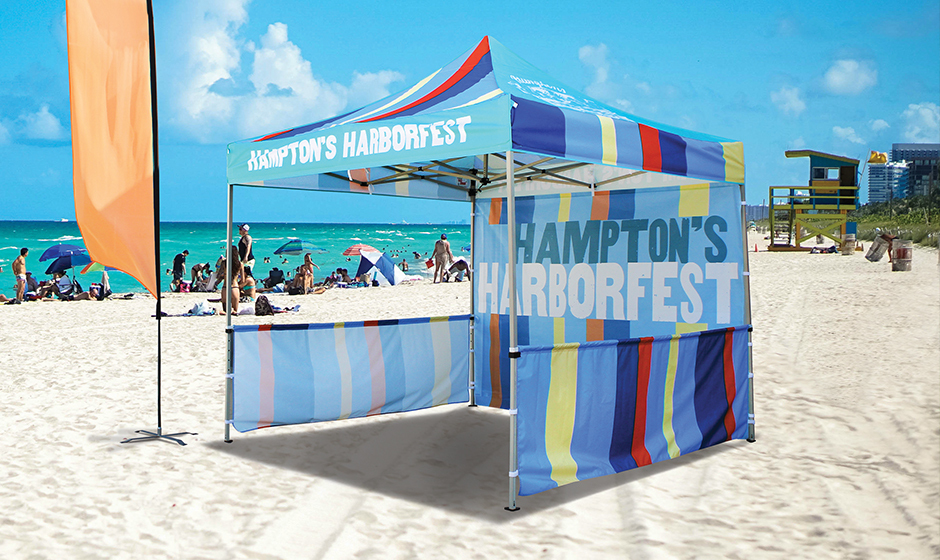
Ownership provides scheduling flexibility, branding opportunities, and long-term cost savings.
Common Events That Use Outdoor Event Tents
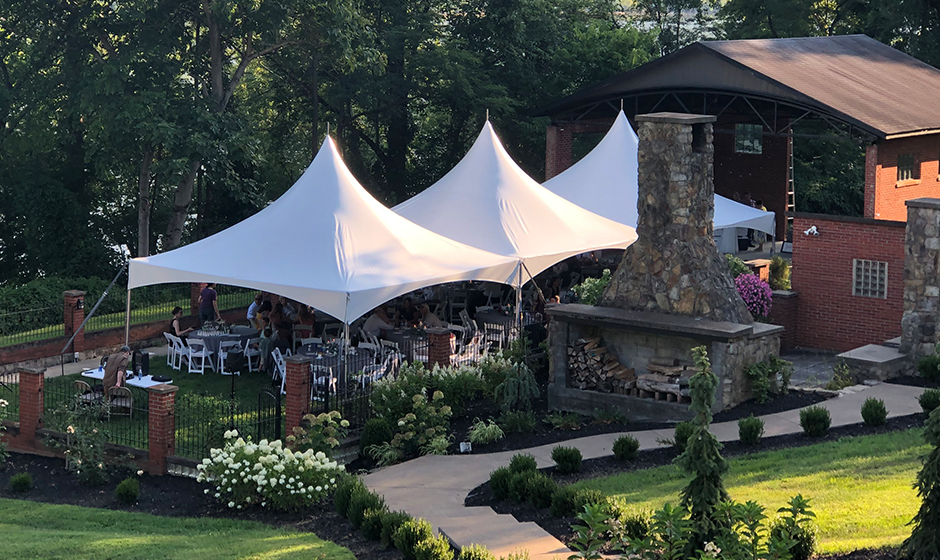
- Weddings and receptions
- Corporate galas and launches
- Graduations
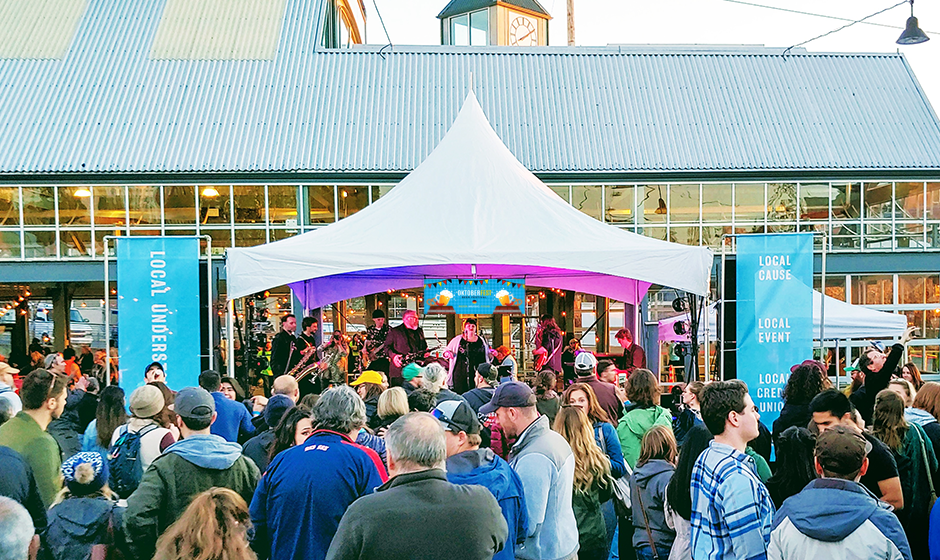
- Community festivals
- Charity fundraisers
- Family reunions
- Holiday celebrations
Wherever people gather outdoors, a tent adds structure and comfort.
Bringing It All Together
An outdoor event tent does more than block sun or rain. It defines your event’s footprint. It shapes atmosphere. It improves comfort. It supports layout design.
When chosen carefully and installed properly, it becomes the foundation of the entire experience.
Ready to Plan Your Outdoor Event?
Explore professional-grade outdoor event tents designed for durability, flexibility, and elegant presentation. Whether you're hosting a wedding, corporate gathering, or large celebration, we’re here to help you build the right setup.
Explore Outdoor Event TentsCommercial Grade Materials | Flexible Layouts | Fast Shipping
FAQ
How do I choose the right size outdoor event tent?
Start with your guest count and seating style. Then factor in space for catering, entertainment, and walkways to ensure smooth guest movement.
Can outdoor event tents handle wind and rain?
Yes, when properly installed and anchored. Adding sidewalls improves protection from rain and wind while maintaining comfort.
What is the difference between a pole tent and a frame tent?
Pole tents use center poles and tensioned fabric to create peaks, while frame tents use an internal aluminum structure with no interior poles.
Can tents be installed on concrete?
Frame tents can be installed on concrete or asphalt using ballast systems, making them versatile for many locations.
Is it better to rent or buy an outdoor event tent?
For occasional events, renting is often practical. For recurring events, purchasing can provide better long-term value and scheduling flexibility.