



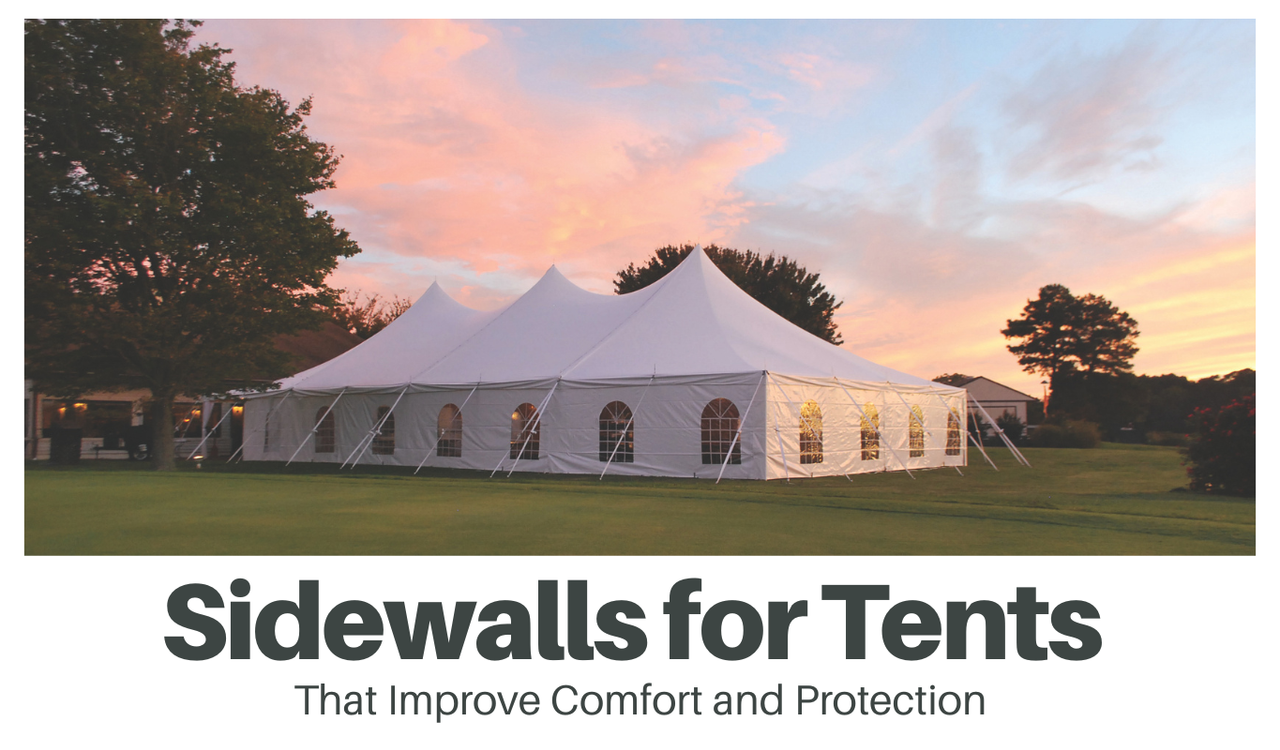
Sidewalls for Tents That Improve Comfort and Protection
A tent gives you coverage overhead. That’s the first step.
But if you’ve ever hosted an outdoor event, you know that weather doesn’t only come from above.
Wind shifts. Rain blows sideways. Temperatures drop once the sun sets. And sometimes, you simply want a little more privacy or visual structure.
That’s where sidewalls for tents make all the difference.
They turn an open canopy into a more controlled, comfortable environment — without sacrificing flexibility. Whether you’re planning a wedding, running a vendor booth, managing a rental fleet, or hosting a large community event, sidewalls can completely change how your space feels.
Let’s break down why they matter and how to choose the right ones.
Why Sidewalls Are More Than an Accessory
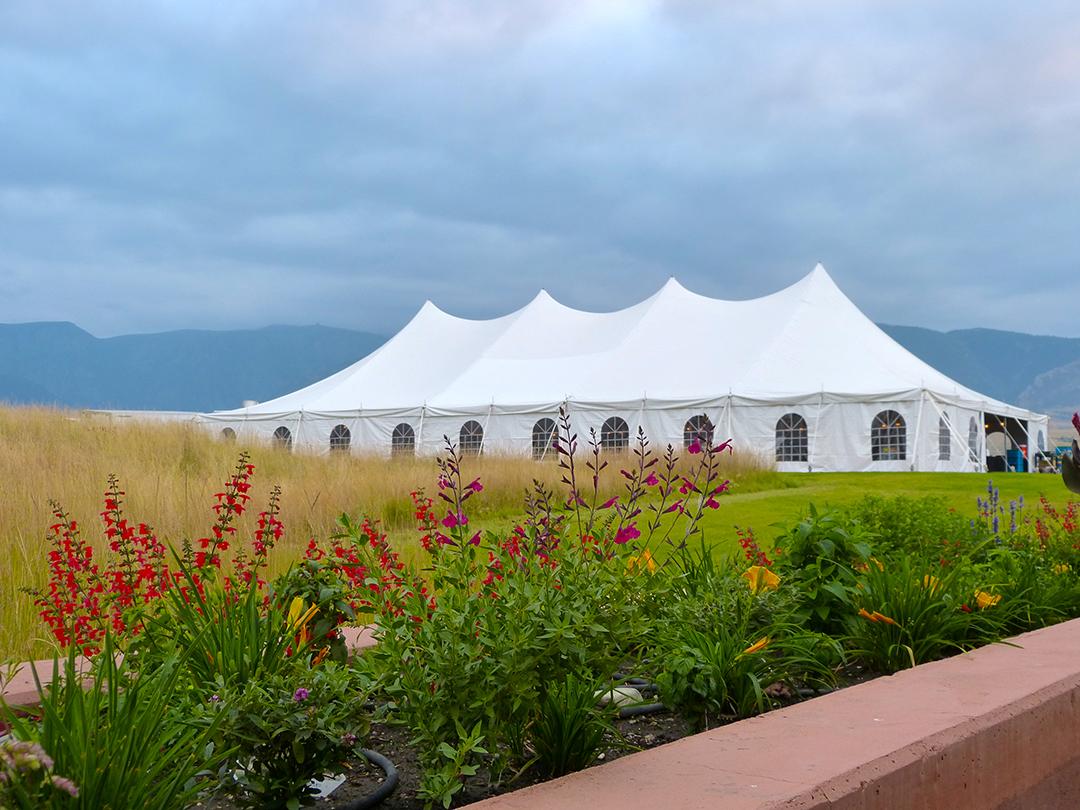
At first glance, sidewalls might seem optional.
But once you use them, you quickly realize how much they improve the experience.
Sidewalls help:
- Block wind
- Keep rain out
- Reduce glare
- Add privacy
- Create a cleaner visual backdrop
- Improve climate control efficiency
They also make a tent feel intentional rather than temporary. Guests feel more sheltered. Vendors feel more secure. Hosts feel more prepared.
Sometimes, it’s the small additions that create the biggest comfort boost.
Different Types of Sidewalls for Tents
Not all sidewalls serve the same purpose. Choosing the right type depends on your event style, environment, and weather expectations.
Solid Sidewalls
Solid vinyl sidewalls offer full coverage and maximum weather protection. They’re ideal for windy conditions or when privacy is important.
They also provide a clean background for décor or branding.
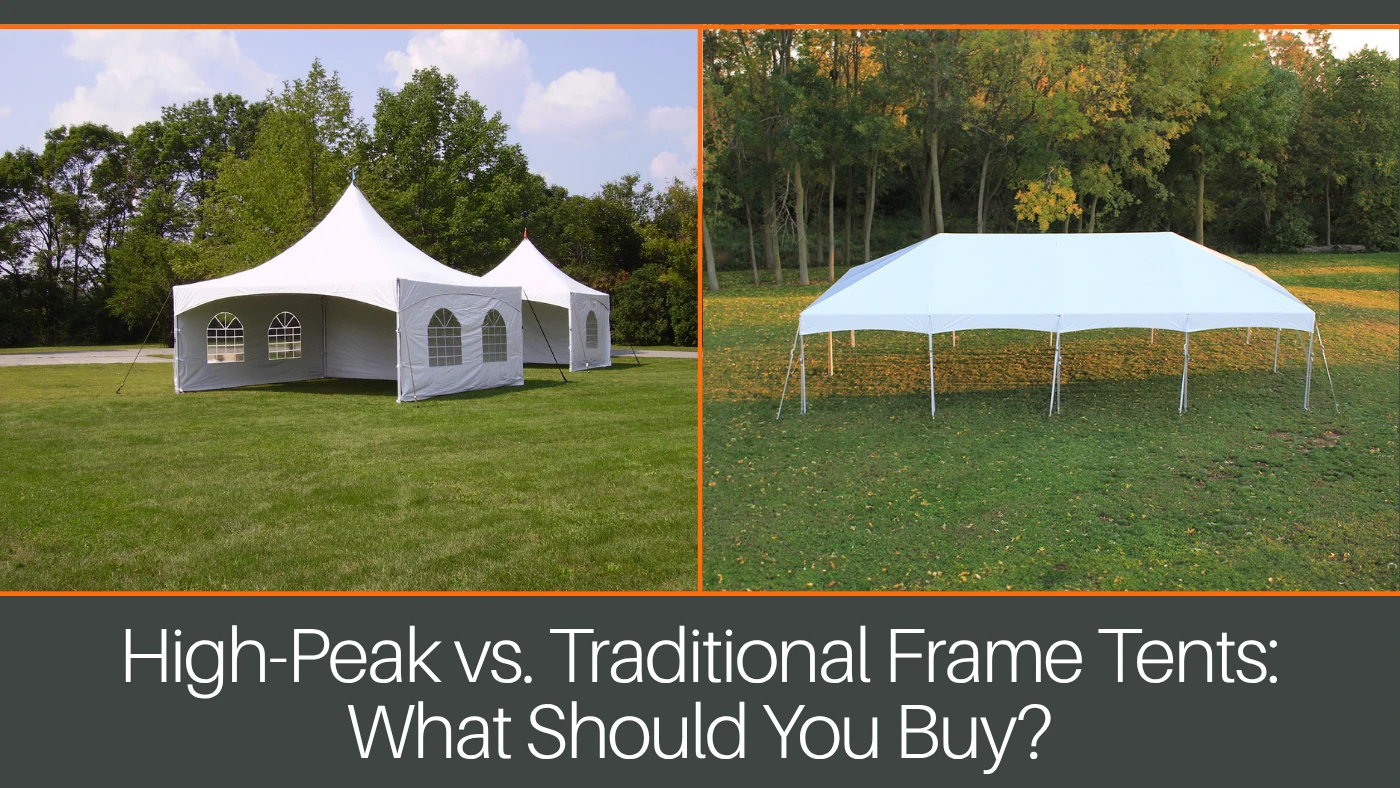
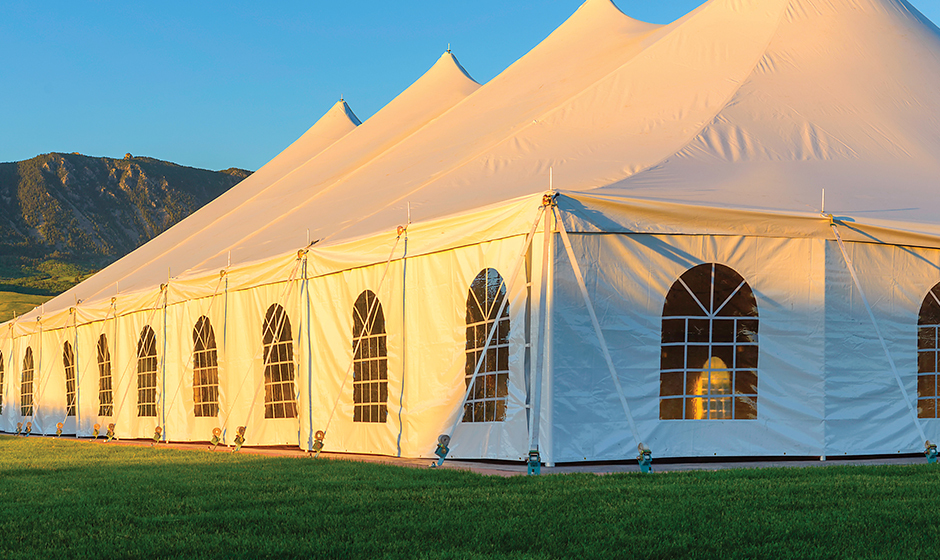
Windowed Sidewalls
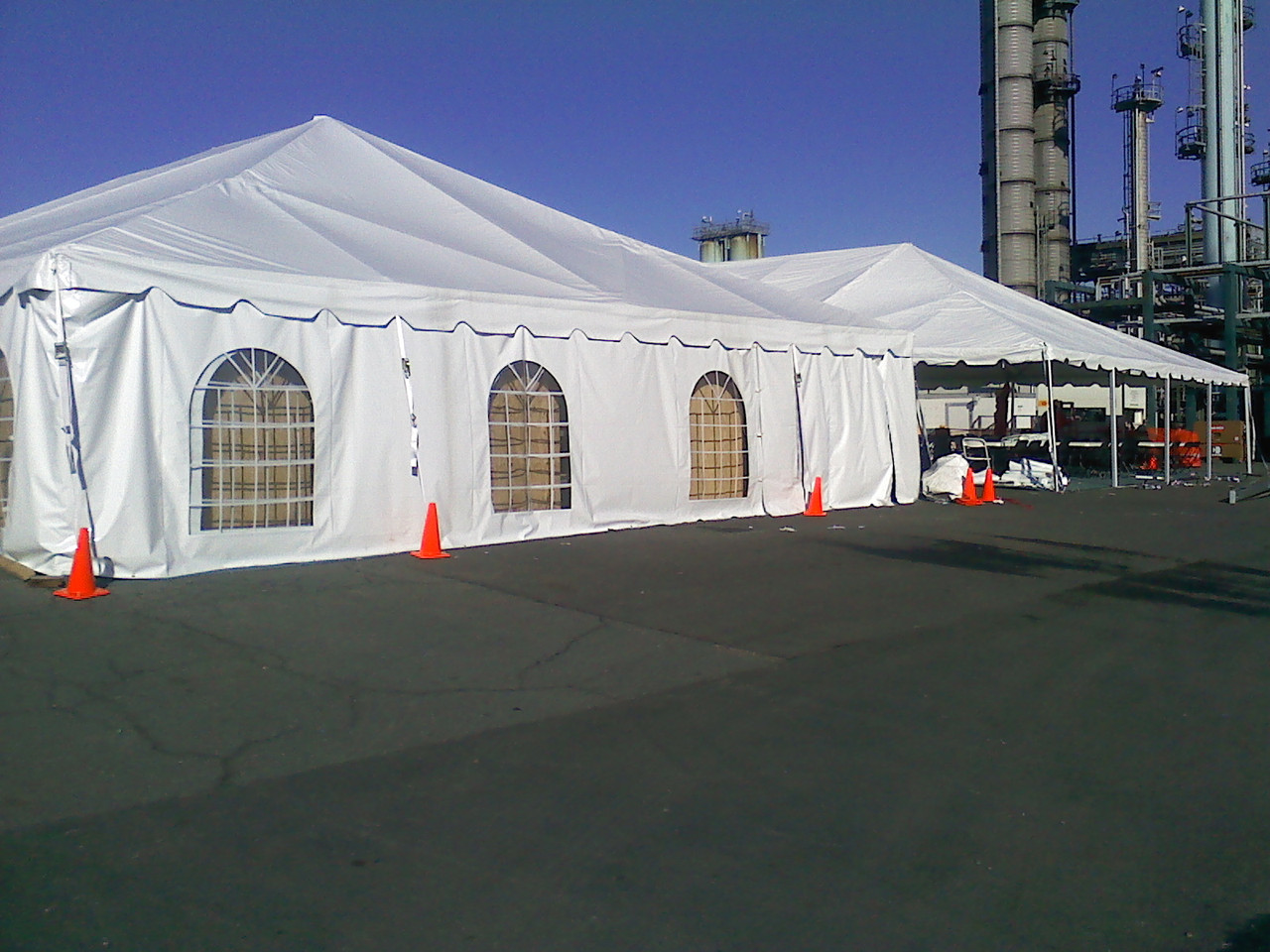
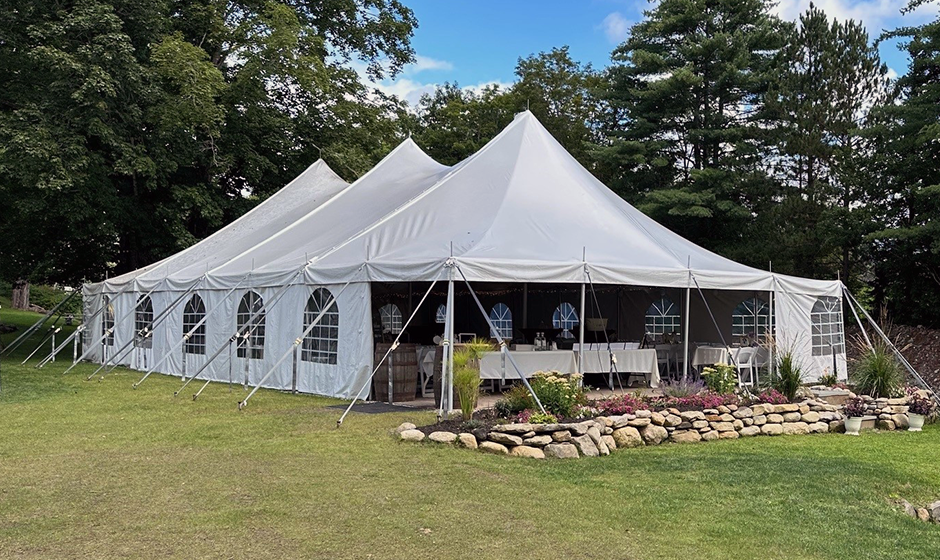
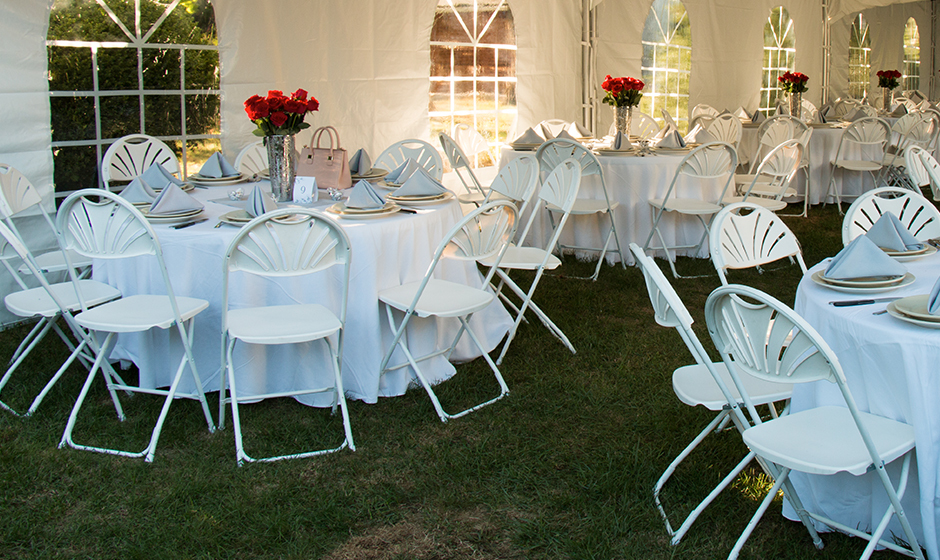
Windowed sidewalls allow natural light to enter while still providing shelter. They’re especially popular for weddings and formal events because they maintain brightness without exposing guests to the elements.
The window panels soften the look of the tent and prevent it from feeling closed off.
Clear Vinyl Panels
Clear vinyl panels are a favorite for scenic venues. They block rain and wind while preserving the view.
They’re especially effective for evening events where lighting and atmosphere are central to the experience.
Zippered Entry Panels
Some sidewalls include zippered doorways. These allow controlled access without removing entire panels.
They’re practical for food service areas, vendor booths, or controlled event entry points.
Perfect for Weddings and Formal Events
Sidewalls for tents are especially helpful during weddings.
Outdoor ceremonies and receptions often need a backup plan in case of unpredictable weather. Sidewalls provide that extra layer of security without making the space feel closed off.
Windowed or clear panels maintain elegance while protecting guests. When paired with lighting and décor, they create a soft, refined atmosphere rather than a fully enclosed look.
And when evening temperatures drop, sidewalls help retain warmth inside the tent — especially when heaters are used.
Comfort and elegance can absolutely coexist.
Vendor and Market Applications
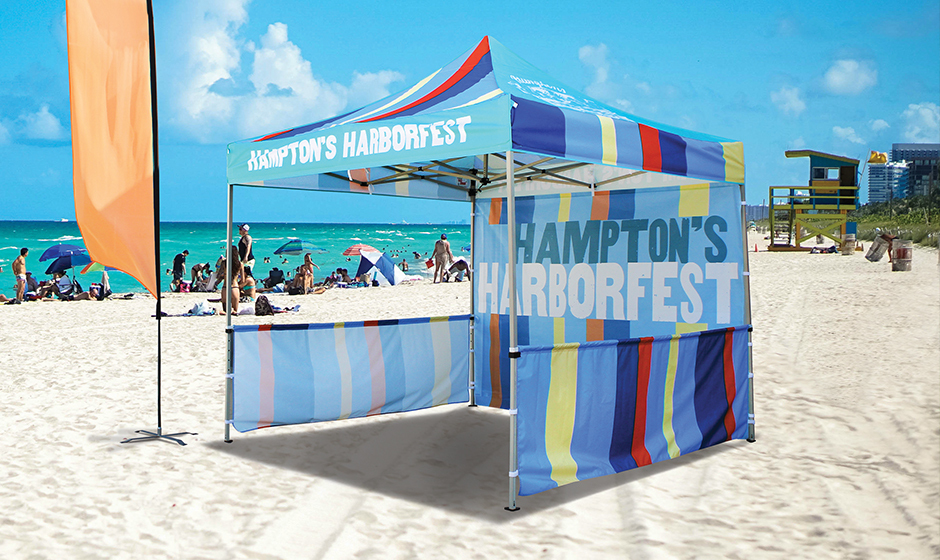
For vendors and food service setups, sidewalls serve multiple practical purposes.
- They create defined booth space.
- They block crosswinds that can disrupt displays.
- They provide privacy for storage and prep areas.
- They create branding opportunities.
A solid back wall can serve as a clean backdrop for signage or custom graphics.
Markets and festivals can be unpredictable environments. Having sidewalls installed gives vendors more control over their space and presentation.
Wind and Anchoring Considerations
Once sidewalls are added, wind resistance becomes more important.
Because they create additional surface area, proper anchoring is critical. Stakes, weights, ratchet straps, or ballast systems ensure stability and safety.
High-quality sidewalls are designed to attach securely using:
- Velcro systems
- Keder tracks
- Hook-and-loop attachments
- Zippered connections
Secure attachment reduces gaps and improves overall tension across the structure.
The goal is protection without compromising structural integrity.
Flexibility and Modular Use
One of the biggest advantages of sidewalls for tents is flexibility.
You don’t have to install all panels at once.
- Install one wall to block wind.
- Add two walls for partial enclosure.
- Fully enclose the tent for maximum coverage.
This adaptability is especially helpful for multi-day events where weather conditions may change.
Sidewalls allow you to adjust your environment in real time.
Storage and Maintenance
Quality sidewalls are designed for repeated use.
They should be:
- Easy to attach and remove
- Simple to clean
- Fully dried before storage
Proper storage prevents mildew and extends product lifespan.
For rental companies, well-maintained sidewalls improve presentation and reduce replacement costs over time.
When Are Sidewalls Necessary?
While not every event requires them, sidewalls are strongly recommended when:
- Wind is expected
- Rain is possible
- Temperatures may drop
- Privacy is desired
- Professional presentation matters
Even one or two panels can make a noticeable difference in comfort and appearance.
Planning ahead prevents last-minute stress.
Bringing It All Together
Sidewalls for tents transform open-air coverage into a more refined, controlled space.
They add protection. They improve comfort. They elevate appearance. They increase flexibility.
Whether you’re hosting a backyard celebration, organizing a wedding, or managing a large festival, sidewalls help you stay prepared and polished.
Sometimes, the simplest upgrades deliver the most noticeable results.
Complete Your Tent Setup
Explore professional-grade sidewalls for tents built for durability, secure attachment, and reliable weather protection across weddings, markets, and large-scale events.
Shop Tent SidewallsHeavy-Duty Vinyl | Multiple Attachment Options | Fast Shipping
FAQ
Are sidewalls necessary for all tents?
Not always, but they significantly improve weather protection and privacy. For longer or unpredictable outdoor events, they are highly recommended.
Can I add sidewalls to an existing tent?
Yes, as long as the sidewalls are compatible with your tent size and attachment system.
Do sidewalls make tents safer in wind?
Sidewalls increase wind resistance, so proper anchoring is essential. With correct securing methods, they improve overall comfort and stability.
What’s the difference between solid and windowed sidewalls?
Solid panels provide full coverage and privacy. Windowed panels allow light in while maintaining protection.
Are sidewalls easy to install?
Most attach with velcro or zipper systems and can be installed quickly by one or two people.