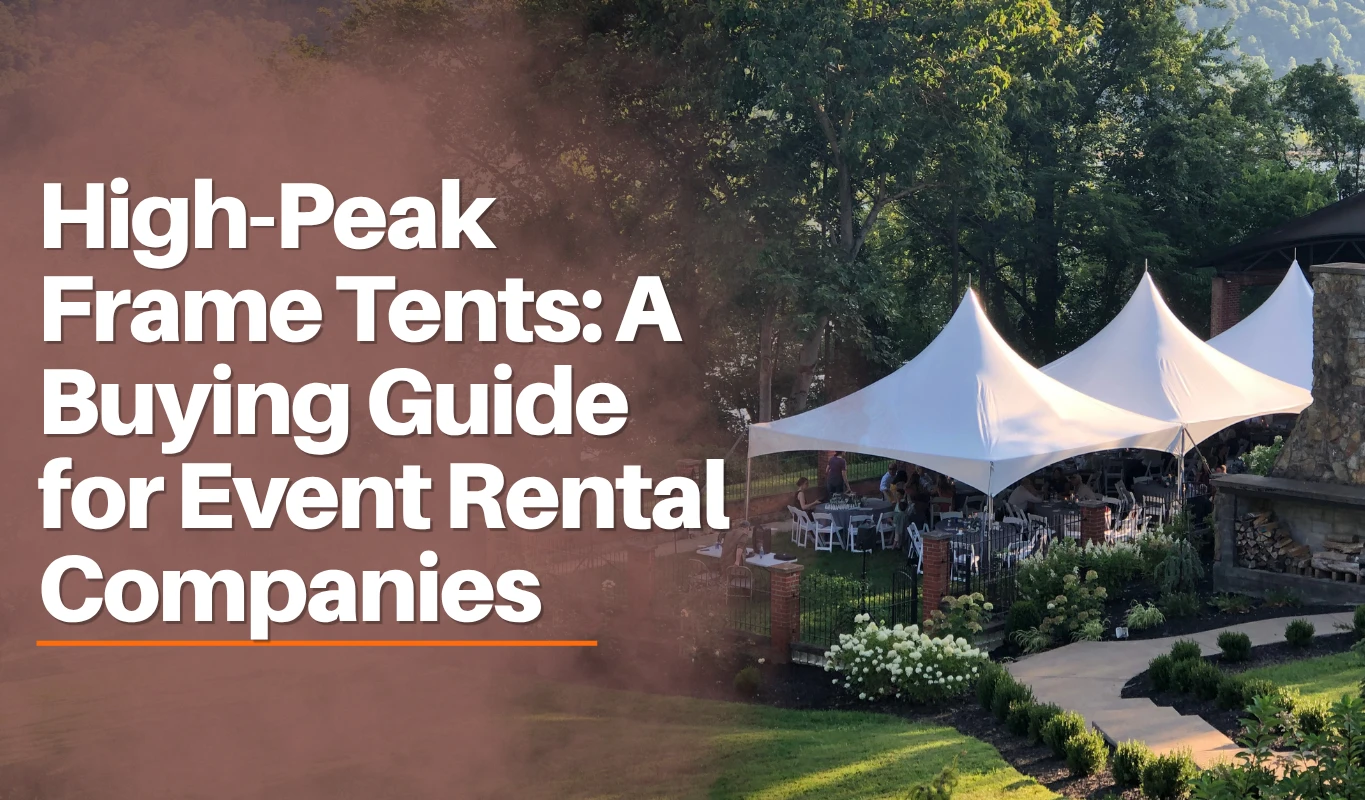





The best party tent packages for starting an event rental business combine a commercial-grade tent with the equipment needed to serve your first customers. This typically includes tables, chairs, sidewalls, lighting, and the components required for installation.
At CELINA, our Event Rental Starter Bundle offers three starting points: the Foundation Package, the Event Ready Bundle, and the Weekend Revenue Builder. Each is designed for a different level of starting inventory and booking capacity.
Choosing the right package comes down to your budget, the events you plan to serve, and how much equipment you can realistically transport, install, and manage. A smaller package may be enough to establish your business, while a larger inventory may make sense if you already have customers requesting multiple installations or larger covered areas.
Before investing in your first rental package, here's what you need to consider.
What Should a Party Tent Starter Package Include?
When starting an event rental business, it's easy to focus most of your attention on the tent itself. However, customers often need more than just a covered space.
Someone planning a graduation party for 30 guests will probably need tables and chairs. A customer planning an evening reception may also need lighting, while another may request sidewalls. Buying equipment as a package allows you to prepare for more of these requests from the beginning.
A well-rounded party tent starter package should include the following:
Commercial-Grade Party Tents
Your tent needs to withstand repeated installations, transportation, teardown, and storage. Equipment designed for occasional personal use may not be suitable for the demands of a commercial rental operation.
When comparing commercial party tents, consider the tent's construction, installation process, replacement parts availability, and how easily you can expand the system as your business grows.
Equipment consistency is particularly important for rental companies. When your crew works with a familiar tent system, it becomes easier to organize components, maintain packing lists, train new employees, and identify missing or damaged parts before an installation.
You should also consider whether replacement tops, fittings, and other system-specific components are available. A damaged component shouldn't automatically mean replacing an entire tent system.
Tables and Chairs
Tables and chairs allow you to offer complete event packages rather than tent rentals alone. They're also some of the most versatile pieces of equipment you can own because customers can rent them independently for indoor and outdoor events throughout the year.
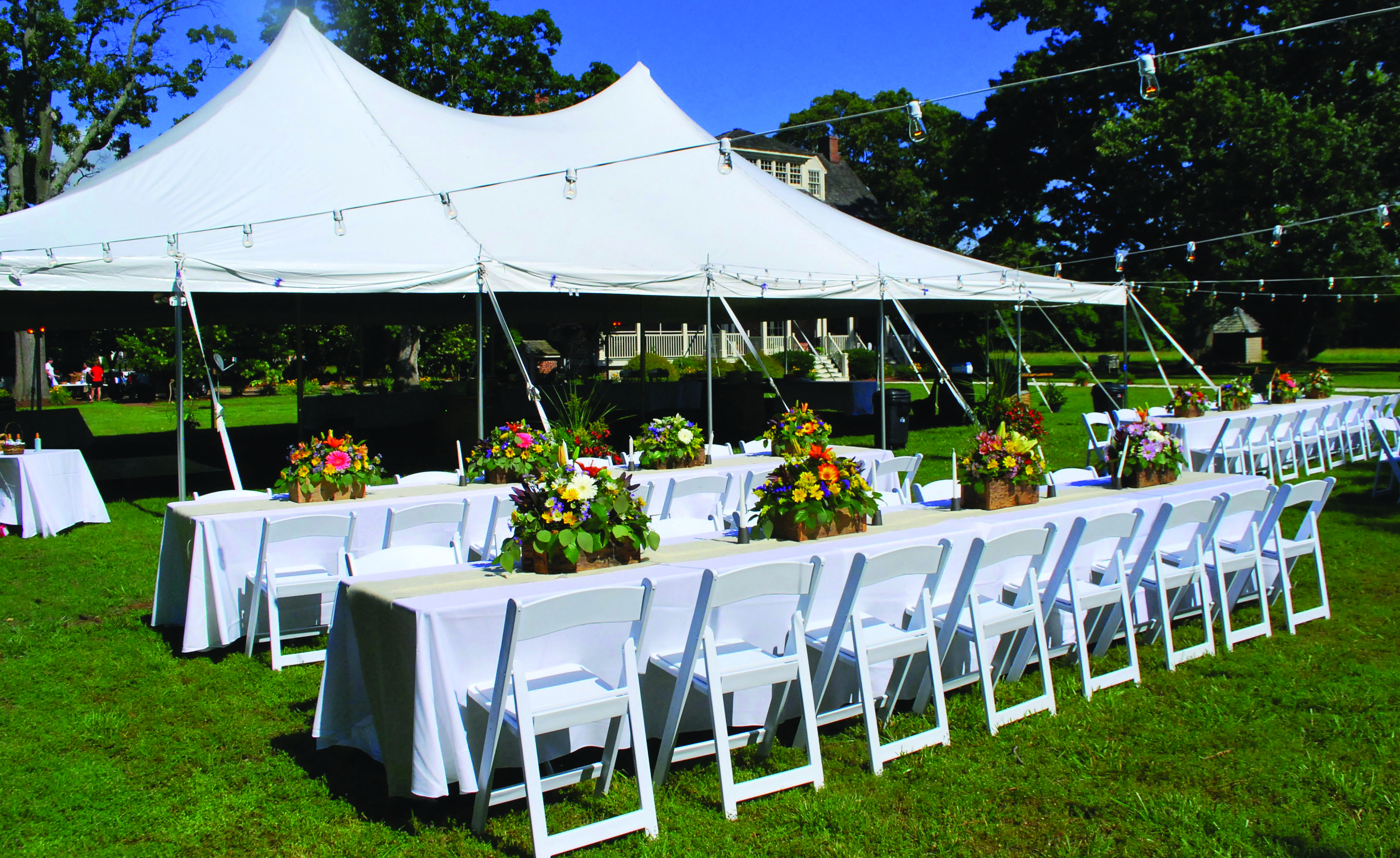
The quantities you purchase should reflect your tent capacity and the types of events you expect to serve. For example, customers planning wedding receptions may prefer round tables, while graduation parties and community gatherings may require rectangular banquet tables.
When choosing event tables and chairs, consider how they stack or fold, how much transportation space they require, and how easily your crew can clean and prepare them between bookings.
Tent Sidewalls
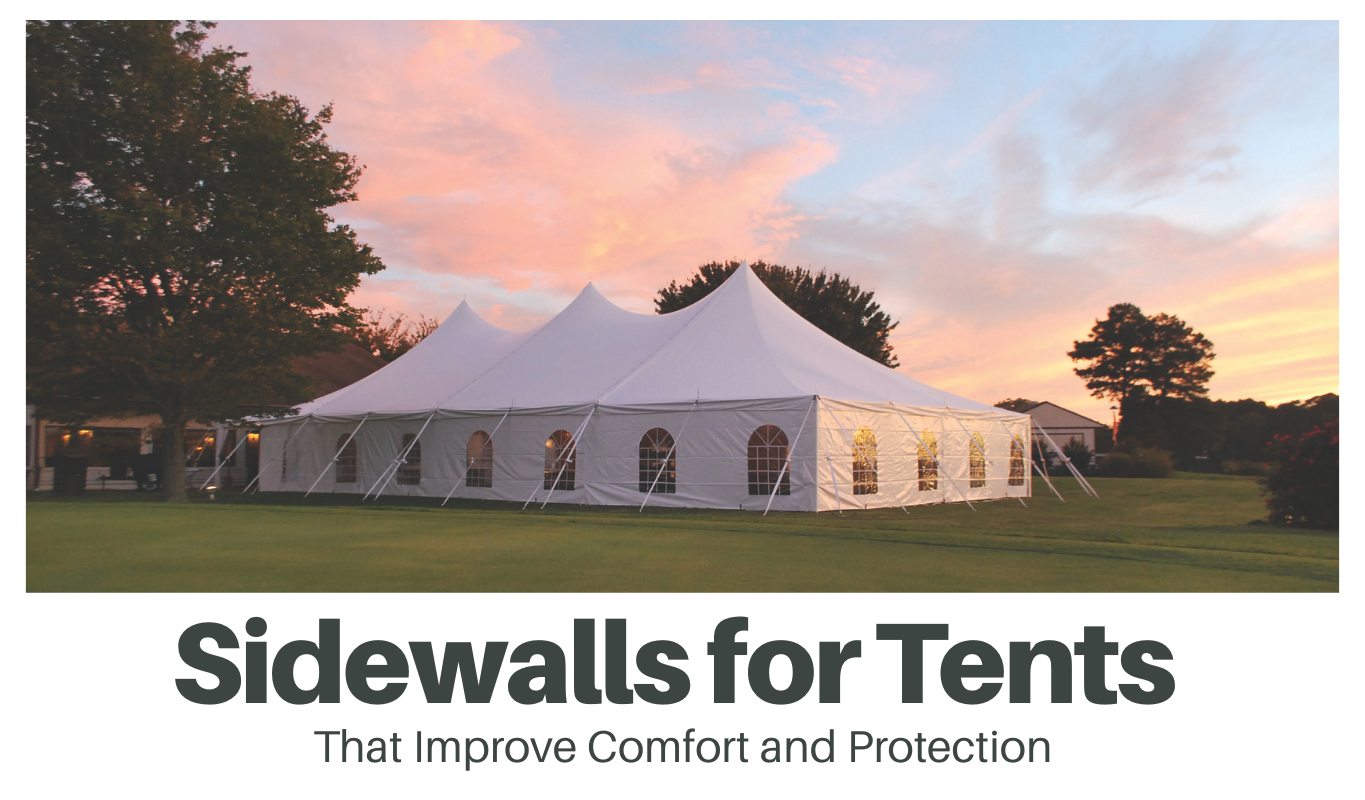
Sidewalls give customers additional options when planning their events. They can provide privacy, help limit exposure to certain weather conditions, and create a more enclosed event space.
Different customers may have different requirements. A wedding reception might need a more enclosed setting, while a corporate event may only require sidewalls along one section of the tent.
Make sure the sidewalls are compatible with your tent system and that their installation follows the manufacturer's requirements. Adding sidewalls can affect how a tent responds to wind, so anchoring and operating conditions must also be considered.
Tent Lighting
Event lighting allows you to offer additional equipment for evening weddings, backyard celebrations, graduation parties, and corporate events.
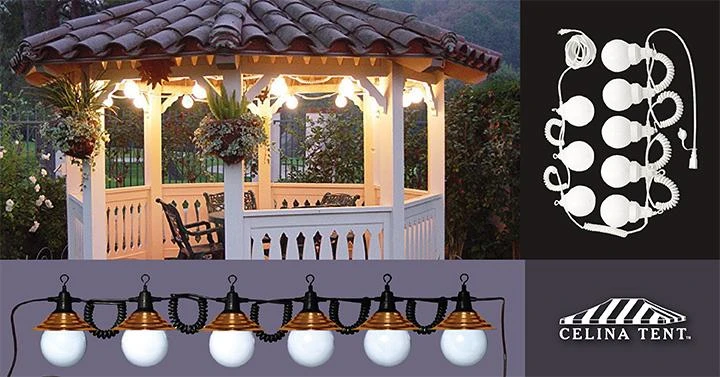
Including lighting in your inventory from the beginning gives you another rental option without having to source equipment separately whenever a customer requests it.
Before confirming a lighting rental, establish whether the customer has a suitable power source and whether additional electrical equipment is required. These details should be addressed during quoting rather than discovered when your crew arrives.
Installation and Anchoring Equipment
Before accepting your first booking, confirm that you have all the components and tools needed to install the tent correctly.
Tent anchoring requirements vary depending on the tent system, installation surface, and site conditions. Review the manufacturer's instructions and make sure your crew has the appropriate equipment and training.
Don't assume that every customer will have a suitable grass installation area. Some events may take place on concrete, asphalt, or other surfaces where staking is restricted. Understanding the approved anchoring options for your tent system helps you prepare for these situations before committing to a job.
The Best Party Tent Packages for New Event Rental Businesses
Our Event Rental Starter Bundle is available in three tiers to accommodate different starting budgets, business goals, and inventory requirements.
Each package is built around our 20x20 Pinnacle Series High Peak Frame Tent, with supporting equipment that allows rental operators to offer more complete event setups.
Foundation Package: Best for Starting Small
If you're starting an event rental business from scratch, the Foundation Package offers a practical entry point. Built around one 20x20 Pinnacle Series frame tent, the package combines the tent with tables, chairs, sidewalls, lighting, and layout resources.
A single 20x20 tent provides 400 square feet of covered space and can be used for backyard parties, graduation celebrations, small wedding receptions, and corporate gatherings.
Starting with one tent allows you to learn how to manage the entire rental process, from preparing quotes and scheduling deliveries to installation, teardown, cleaning, and storage.
This package is best suited for:
- First-time event rental business owners
- Operators starting a weekend rental side hustle
- Businesses with limited storage or transportation space
- Rental companies looking to test demand before expanding
If you're still figuring out which events are most common in your market, starting with a smaller inventory can help you avoid purchasing equipment before you have the demand to support it.
The main limitation is availability. Once your tent is booked, you cannot accept another overlapping tent rental using that same equipment. However, you can still accept furniture-only bookings if the required tables and chairs are available.
Event Ready Bundle: Best for Greater Booking Flexibility
The Event Ready Bundle is built around two 20x20 Pinnacle Series frame tents, along with tables, chairs, sidewalls, lighting, and a tent gutter.
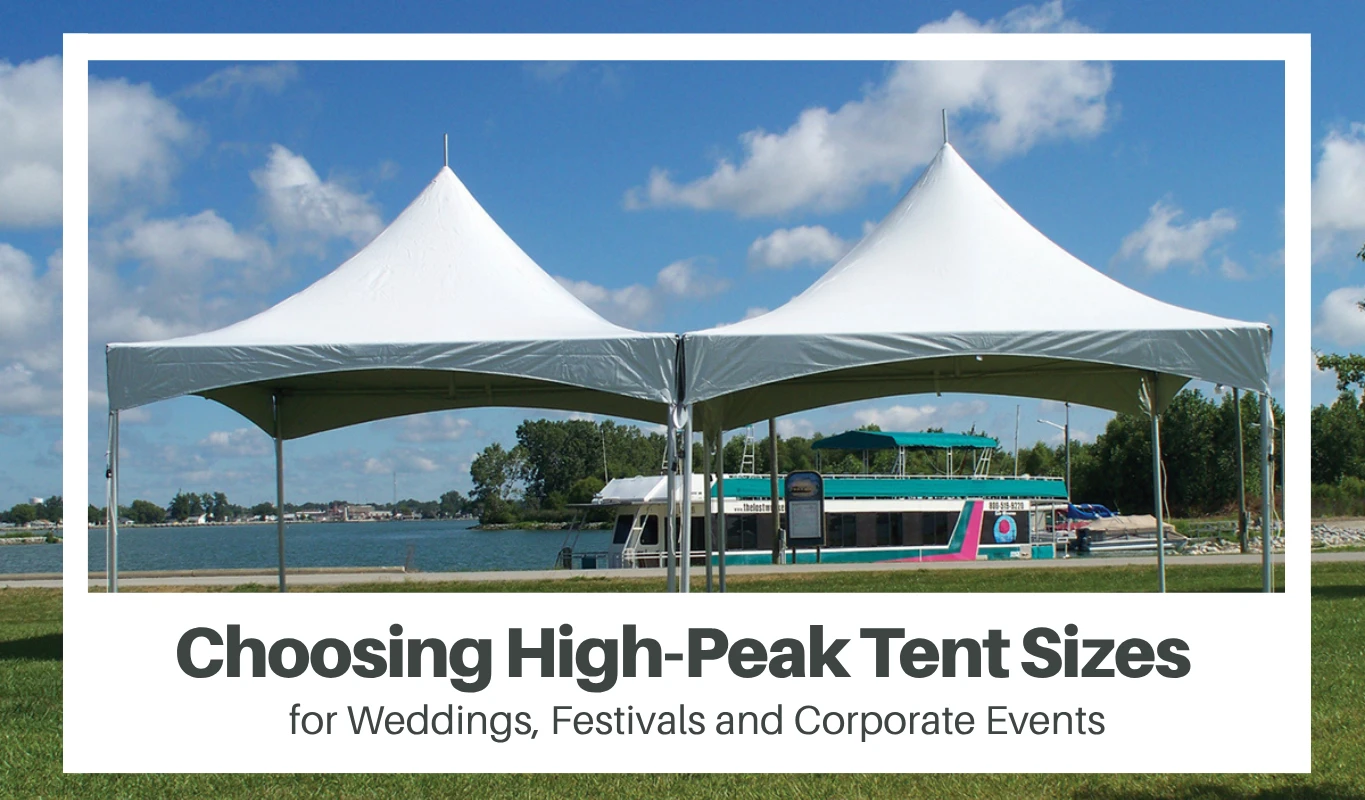
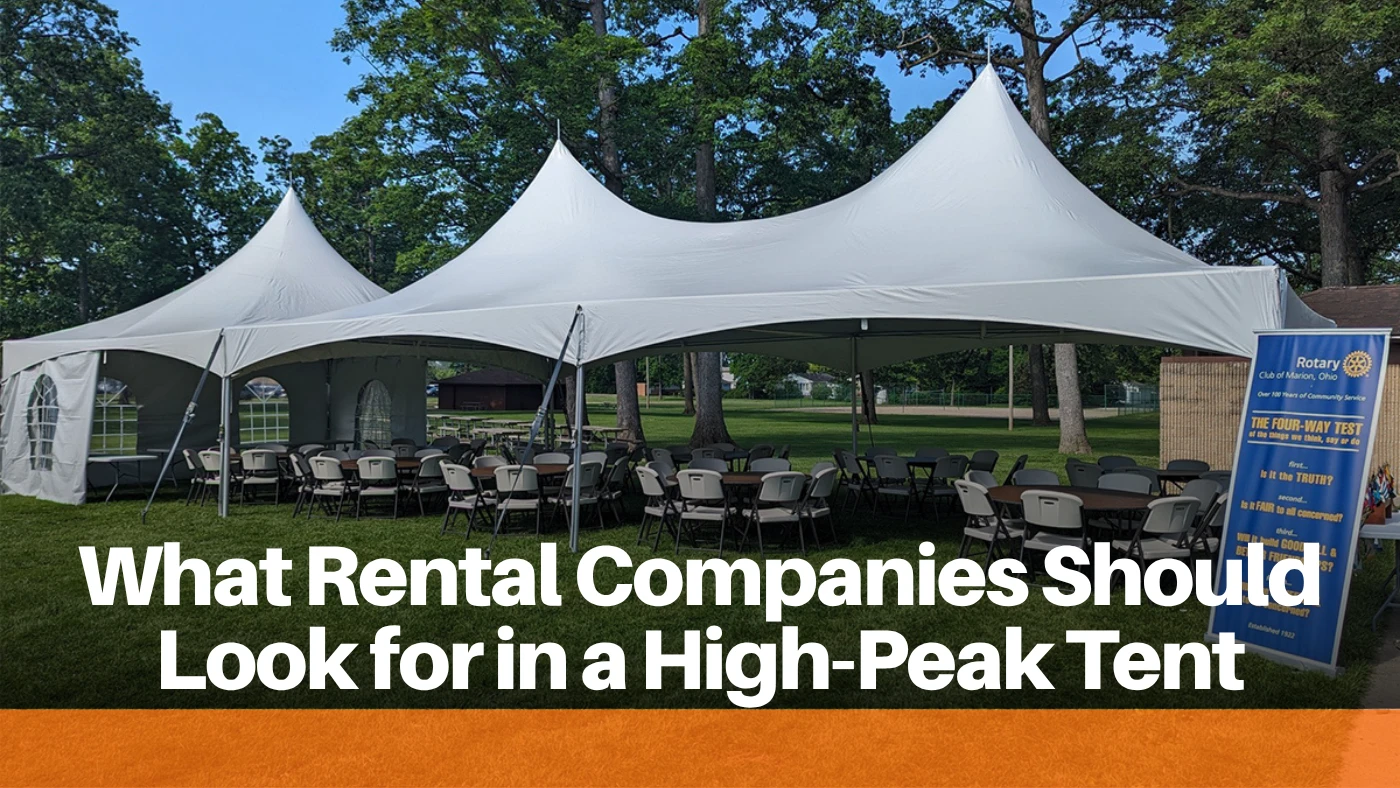
Having two compatible tents gives you more ways to respond to customer inquiries. You can rent the tents separately for two smaller events or connect them using the appropriate components to create a 20x40 covered configuration for a larger gathering.
Instead of turning away a customer because they need more space than your single 20x20 can provide, you have another configuration to offer.
This package is best suited for:
- New businesses with an established customer base or confirmed bookings
- Operators expecting multiple weekend rental requests
- Rental companies looking to offer different tent configurations
- Businesses with sufficient crew, storage, and transportation capacity
Keep in mind that owning two tents doesn't automatically mean you can complete two installations in one day. You'll need to consider travel time, installation schedules, crew availability, and teardown commitments.
You should also account for the supporting equipment each booking requires. Having two tents available doesn't necessarily mean you have enough tables, chairs, sidewalls, or anchoring equipment to fulfill every combination of customer requests simultaneously.
Weekend Revenue Builder: Best for Starting With a Larger Inventory
The Weekend Revenue Builder is built around four 20x20 Pinnacle Series frame tents, with gutters, tables, chairs, sidewalls, lighting, and other supporting equipment.
This package gives rental operators a larger starting inventory that can serve different events and accommodate multiple bookings, subject to available crew and transportation. Rather than operating around the availability of one tent, you can begin offering more rental options across your booking calendar.
This package is best suited for:
- Entrepreneurs starting a full-time event rental operation
- Businesses with confirmed demand for multiple tent bookings
- Existing party rental companies adding commercial tents to their inventory
- Operators with established crews, vehicles, and warehouse space
For an existing furniture rental company, this package may provide an opportunity to introduce tent rentals to customers who already book tables, chairs, and other event equipment.
For someone just entering the industry without an existing customer base, however, starting with four tents may not be necessary. Consider whether your expected bookings justify the additional investment and operating expenses.
CELINA Event Rental Starter Packages Compared
The main difference between our three starter packages is the amount of inventory you begin with and the types of bookings that inventory can support.
| Package Features | Foundation Package | Event Ready Bundle | Weekend Revenue Builder |
|---|---|---|---|
| 20x20 Pinnacle tents | 1 | 2 | 4 |
| Tables and chairs | Included | Included | Included |
| Sidewalls | Included | Included | Included |
| Lighting | Included | Included | Included |
| Tent gutters | Not required for a single tent | Included | Included |
| Best for | First-time rental operators | Growing rental operations | Larger starting operations |
| Starting inventory | Small | Moderate | Larger |
| Booking flexibility | Single tent bookings | Separate or connected tent bookings | Multiple bookings and compatible tent configurations |
The right package isn't necessarily the one with the most equipment. It's the one you can consistently put to work.
Current pricing, exact equipment quantities, and package specifications are available on our Event Rental Starter Bundle page.
Which Package Fits Your Business Model?
Consider how you intend to operate during your first rental season.
| Business Model | Package to Consider | Why |
|---|---|---|
| Weekend rental side business | Foundation Package | A manageable inventory for learning the rental process |
| New business with existing customer inquiries | Event Ready Bundle | Additional options for separate or larger bookings |
| Existing table and chair rental company | Event Ready Bundle or Weekend Revenue Builder | An opportunity to introduce tent rentals to existing customers |
| Established operation adding tent inventory | Weekend Revenue Builder | Greater starting inventory for businesses with operational resources |
These are starting recommendations rather than fixed requirements. An established business may only need one additional tent, while a new operator with confirmed contracts and sufficient resources may be ready for a larger package.
Why a 20x20 High Peak Frame Tent Is a Practical Starting Point
When you're purchasing your first commercial party tent, versatility matters. A 20x20 tent is large enough to serve several common event types without requiring the same logistics as a substantially larger structure.
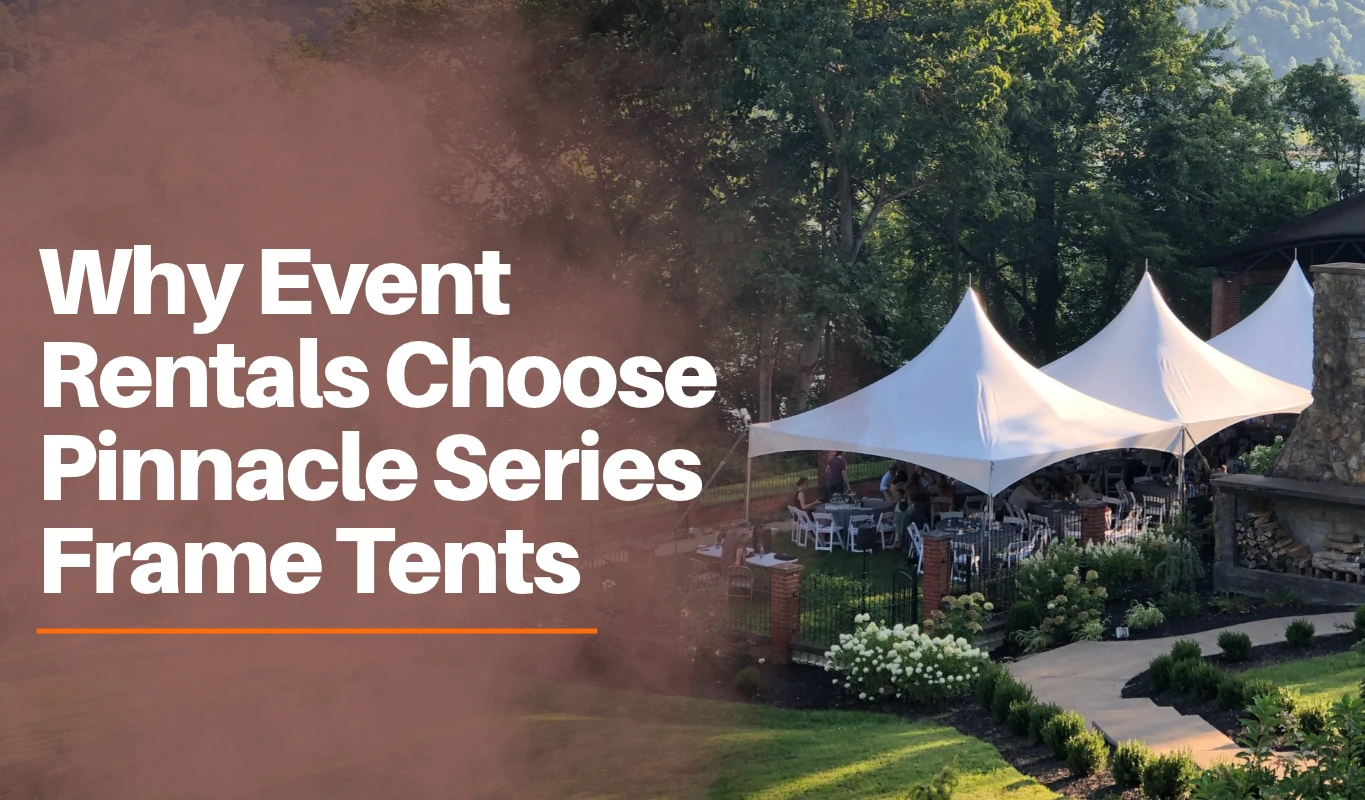
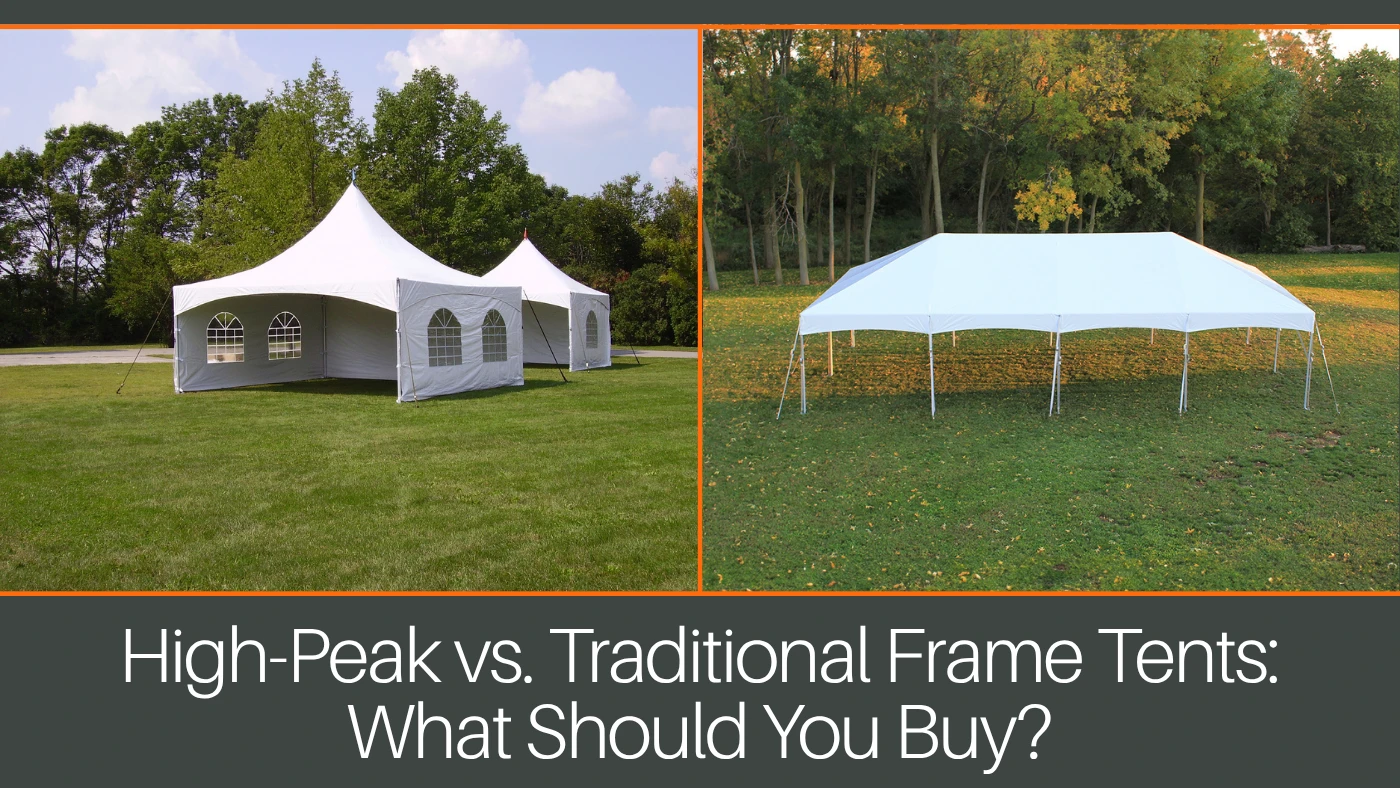
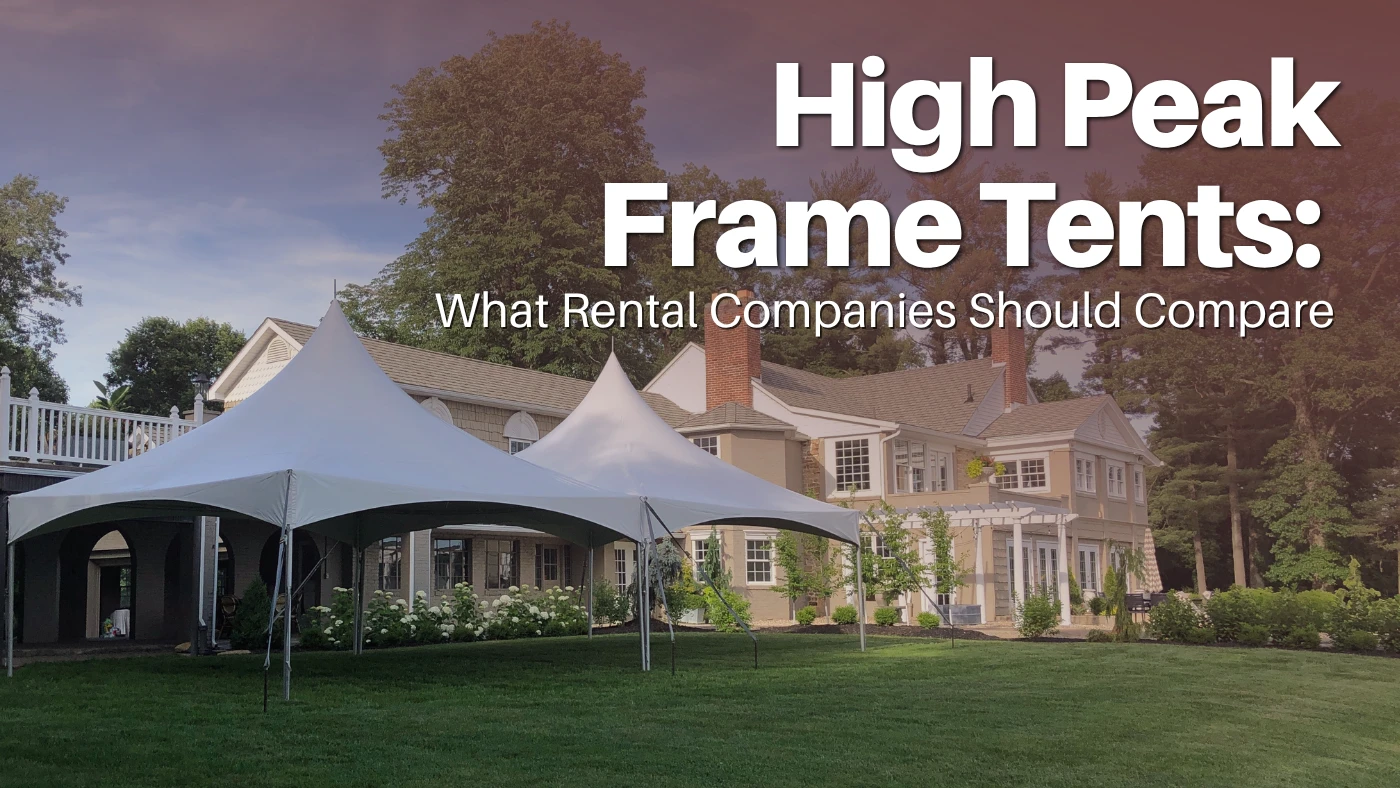
Our Pinnacle Series uses a high peak, cross-cable frame design that provides an open interior without a center pole extending to the ground. This gives customers more flexibility when arranging tables, chairs, and other event equipment.
The high peak roofline also works well for customers who want a more formal appearance for weddings, graduations, and private celebrations.
How Many Guests Can You Accommodate?
A 20x20 frame tent provides 400 square feet of covered space. Our seating layout guide illustrates several arrangements:
| Seating Arrangement | Tables | Guest Seating |
|---|---|---|
| 72-inch round tables | 3 | 30 |
| 60-inch round tables | 4 | 32 |
| 8-foot banquet tables | 4 | 40 |
| 6-foot banquet tables | 6 | 36 |
| Cathedral-style seating | 0 | 48 |
These illustrated layouts are useful starting points for planning and quoting events. Actual seating capacity may be lower depending on aisle requirements, accessibility, exits, catering equipment, and other items placed inside the tent.
For a new rental operator, understanding these layouts helps you recommend the right equipment rather than accepting bookings based on guest count alone.
Match Your Furniture Inventory to Your Tent Layouts
When comparing starter packages, pay attention to the furniture quantities and table sizes included, not just the number of tents.
A customer requesting seating for 40 guests may be accommodated by the illustrated 8-foot banquet table arrangement. However, if your available inventory consists primarily of round tables, that same seating capacity may not be achievable within a 20x20 footprint.
Similarly, customers may need additional tables for food service, gifts, or refreshments. Those tables must be accounted for separately when preparing the layout and equipment list.
Knowing which configurations your inventory can support makes it easier to create accurate rental packages and avoid promising equipment you don't have available.
How to Choose the Right Party Tent Package for Your Business
Before committing to a starter package, take a closer look at how your business will operate. A package that works for an established rental company may not make sense for someone taking their first weekend booking.
Look at Demand in Your Local Market
Find out what people in your area are renting. Are backyard graduation parties common? Is there a strong wedding market? Do local schools, churches, and community organizations regularly host outdoor events?
Look at the event sizes and equipment requests you're most likely to receive. If most potential customers need seating for 20 to 40 guests, a single 20x20 package may be enough to get started. If you've already received inquiries for larger events or overlapping bookings, a package with multiple tents may make more sense.
You can also learn about local demand by reviewing the services offered by other rental companies, speaking with event planners and venues, and identifying the types of events that take place throughout the year.
Pay particular attention to the equipment customers request alongside tents. If most bookings require tables, chairs, and sidewalls, those items should form part of your initial purchasing plan rather than being treated as future additions.
Consider Your Crew Size
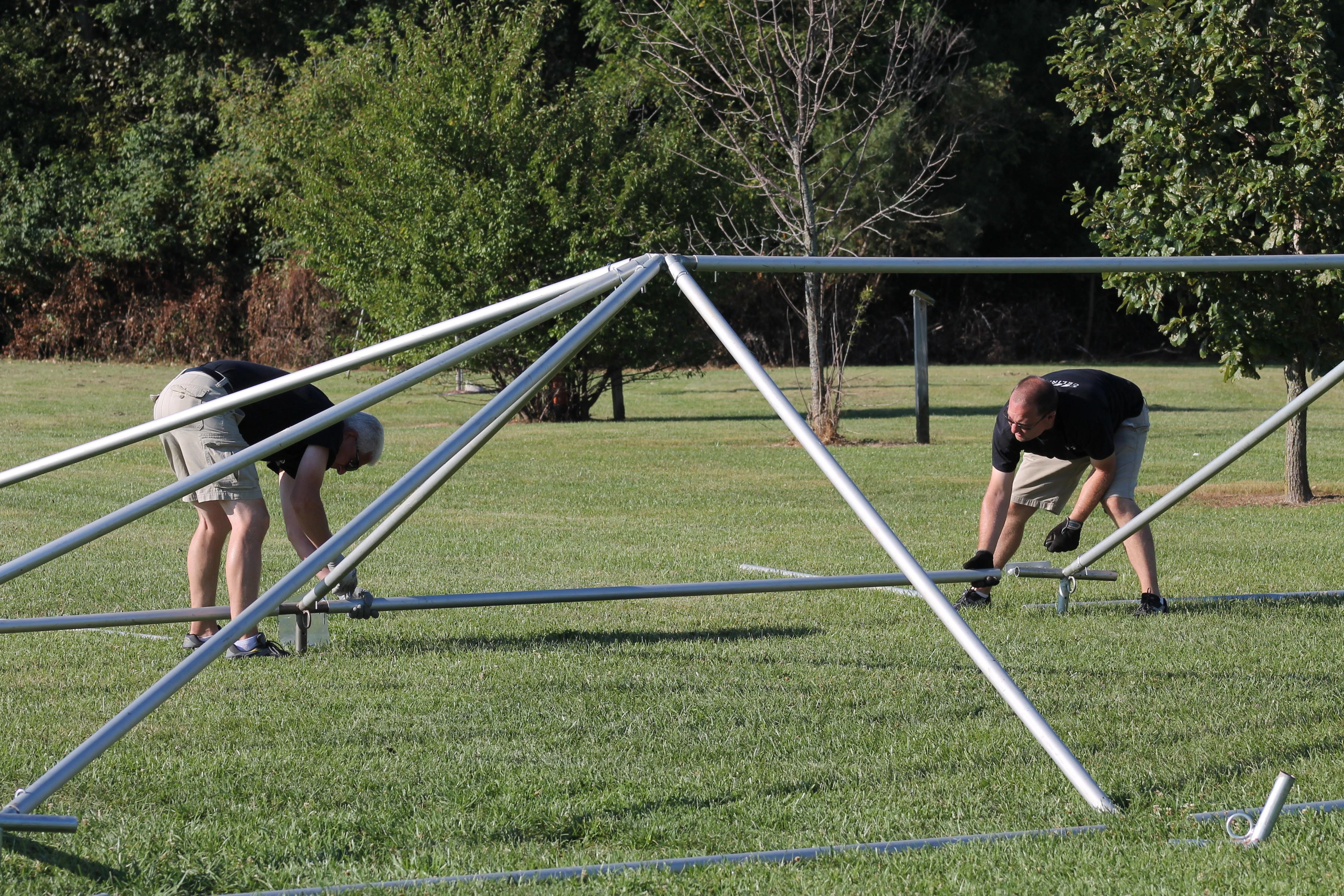
How many people will be available to help you install and take down your tents? If you're starting with a small crew, purchasing more equipment than you can safely install creates problems before you've even completed your first booking.
Consider how long each job will take, including loading, travel, unloading, installation, anchoring, and teardown. Our Pinnacle Series features a self-squaring frame design that assists with frame alignment, but every installation still requires properly trained personnel and adherence to our installation instructions.
When planning your booking capacity, remember that installation isn't the only commitment. A tent installed on Friday may remain at the customer's property until Sunday or Monday, making it unavailable for another booking during that period.
Your available crew hours and equipment turnaround times should help determine how many events you can accept.
Check Your Transportation and Storage Capacity
Tents, tables, chairs, sidewalls, and installation equipment all need somewhere to go between events. Before purchasing a package, work out how much room the equipment will require in your vehicle, trailer, and storage area.
You'll also need enough space to clean, dry, inspect, and organize your equipment after each rental. Wet tent tops and sidewalls should be handled according to our care and storage requirements rather than packed away indefinitely.
Think about how your equipment will move through the warehouse. Items returning from an event should be checked before being placed back into available inventory, especially if another installation is scheduled shortly afterward.
Buying additional inventory makes sense only if you can transport and maintain it properly.
Work Out Your Startup Budget
The cost of the starter package is only one part of starting an event rental business. You should also budget for delivery expenses, labor, insurance, storage, cleaning supplies, maintenance, marketing, and any additional installation equipment your operation requires.
Your startup budget may include:
- Equipment purchases: Tents, furniture, sidewalls, lighting, and compatible accessories.
- Installation equipment: Required anchors, tools, and equipment handling supplies.
- Transportation: Vehicles, trailers, fuel, and delivery-related expenses.
- Storage: Warehouse or other suitable equipment storage space.
- Business expenses: Insurance, registration, applicable permits, and administrative costs.
- Maintenance: Cleaning supplies, replacement components, and equipment repairs.
- Working capital: Funds available to cover operating expenses before customer payments are received.
Leave some money available for unexpected expenses rather than spending your entire startup budget on inventory.
A larger package may provide more booking options, but it can also leave less cash available for the expenses involved in completing those bookings.
Check What You Already Own Before Buying a Package
Not every rental operator is starting with an empty warehouse.
If you already rent tables, chairs, or other party equipment, review your existing inventory before choosing a starter bundle. You may have enough furniture to support your first tent bookings but need additional sidewalls, lighting, or installation equipment.
Compare the contents of each package against what you already own, including the condition and compatibility of your equipment.
For some operators, a complete bundle may fill several inventory gaps at once. For others, purchasing individual tent parts and accessories or additional tents may be a better fit.
How Many Rentals Will It Take to Pay Off Your Starter Package?
One of the most useful calculations you can make before purchasing a party tent package is estimating how many bookings it will take to recover your equipment investment.
Start by researching local rental rates for tents, tables, chairs, and complete event packages. Then subtract the direct expenses associated with completing each booking.
For example, suppose your rental package brings in $500 per complete event booking, and your direct delivery, labor, and cleaning costs total $150.
| Rental Calculation | Example Amount |
|---|---|
| Customer rental charge | $500 |
| Direct booking expenses | $150 |
| Amount remaining toward equipment costs and business overhead | $350 |
| Example equipment investment | $7,000 |
| Estimated bookings to recover equipment investment before other overhead | 20 |
These figures are illustrative and do not represent actual CELINA package prices or guaranteed rental earnings.
Your actual results will depend on your rental rates, demand, operating expenses, and how often your equipment goes out.
Calculate Your Estimated Equipment Recovery
A simplified calculation for estimating equipment recovery is:
Equipment investment ÷ Amount remaining per booking after direct expenses = Estimated bookings required
Using the example above:
$7,000 ÷ $350 = 20 bookings
However, not every booking will generate the same amount. A tent-only rental, complete event package, and furniture-only booking will each have different revenue and expense figures.
You should also account for insurance, storage, taxes, financing, and other business expenses when assessing overall profitability. If some of the $350 is needed to cover those costs, the equipment recovery period will be longer.
How Booking Frequency Affects Equipment Recovery
Knowing how many rentals are needed is useful, but you also need to consider how frequently those bookings are likely to occur.
Using the same hypothetical 20-booking recovery estimate:
| Average Complete Bookings Per Month | Estimated Equipment Recovery Period Before Other Overhead |
|---|---|
| 2 bookings | 10 months |
| 4 bookings | 5 months |
| 5 bookings | 4 months |
| 10 bookings | 2 months |
These estimates assume each booking contributes the same $350 and that the entire amount is allocated toward recovering the equipment investment. They do not account for seasonal fluctuations, additional overhead, financing costs, or changes in rental rates.
For a new operator, a conservative booking estimate is more useful than assuming every weekend will be fully booked. This calculation can help you compare starter packages based on realistic equipment utilization rather than purchase price alone.
Don't Overlook the Value of Tables and Chairs
When you purchase a party tent starter package, the tent may be the largest item in your inventory, but it doesn't have to be the only one generating rental income.
Tables and chairs can be rented for events that don't require a tent at all. Think about indoor birthday parties, holiday gatherings, church functions, business meetings, school events, and family celebrations. These customers may only need extra seating and table space for a few hours or a weekend.
Having tables and chairs in your starting inventory allows you to take these bookings without relying entirely on outdoor events.
You can offer customers several rental options:
- Tent-only rentals
- Table and chair rentals
- Complete tent, table, and chair packages
- Additional sidewalls and lighting
- Multiple tent configurations as your inventory grows
Each option gives you another way to use the equipment you already own.
Track Furniture Availability Separately From Tent Bookings
When you begin renting tables and chairs independently, make sure your booking system accounts for each item separately.
For example, you may have a 20x20 tent available for a Saturday graduation party, but the tables and chairs normally included in that package could already be reserved for an indoor event.
Accepting both bookings without checking individual inventory quantities could leave you short of equipment on installation day.
Track the number of available tables, chairs, tents, and accessories for each rental period. This becomes increasingly important as you move from one starter package to multiple installations.
Offseason? What Offseason?
Outdoor tent rentals may slow down during certain months, but indoor events still take place. A customer who doesn't need a tent for their holiday party might still need 40 chairs. Another might need banquet tables for a family gathering or corporate function.
This is one of the advantages of starting with a complete rental bundle rather than purchasing a tent alone. You have equipment that can serve different types of customers throughout the year, even when outdoor tent demand is lower.
Table and chair rentals still need to be priced carefully. A small delivery may not be profitable if transportation and labor costs are too high. Consider minimum order requirements, delivery fees, and customer pickup options when developing your pricing.
When Should You Invest in a Larger Party Tent Package?
You don't have to start with the largest package to build a successful event rental business. In many cases, beginning with a manageable inventory allows you to understand your market before committing to additional equipment.
As your business grows, pay attention to the requests you're receiving but cannot currently fulfill. Are customers asking for larger tents? Are you repeatedly turning down bookings because your equipment is already rented? Are you regularly subrenting tables and chairs from another company?
These are useful indicators that additional inventory may be worth considering.
Identify What's Actually Limiting Your Bookings
Before purchasing another complete package, determine which equipment shortage is preventing you from accepting more work.
| Recurring Problem | Inventory or Operational Consideration |
|---|---|
| Your only tent is regularly booked | Additional compatible tent inventory |
| Customers request larger covered areas | Approved connected configurations or larger tent systems |
| You regularly run out of chairs | Additional chair inventory |
| Customers request different table layouts | Additional table sizes or styles |
| Your crew cannot complete more installations | Additional trained personnel or scheduling improvements |
| Your vehicle cannot carry the required equipment | Transportation or loading capacity |
Not every booking limitation requires purchasing another tent. Sometimes the better investment is additional furniture, transportation, or equipment handling resources.
Reviewing these limitations helps you direct your equipment budget toward the areas that are actually restricting your business.
Expand Without Replacing Your Existing Inventory
Our Pinnacle Series allows compatible tents to be connected using the appropriate gutter and connection components. This gives operators another way to expand their available configurations while continuing to use existing equipment.
For example, an operator who starts with one 20x20 Pinnacle may later add a second compatible tent. The two tents can serve separate events or be used in an approved connected configuration when a customer requires additional covered space.
Always confirm component compatibility and follow the approved installation and anchoring requirements. As your inventory grows, maintain access to compatible replacement tent tops and replacement parts to support ongoing maintenance.
Start Your Event Rental Business With the Right Equipment
A good party tent starter package should help you serve your first customers, manage installations, and create opportunities for repeat bookings.
Whether you're starting a weekend side hustle or building a full-time rental operation, choose equipment based on the events you expect to serve and the resources you have available.
Our Event Rental Starter Bundle offers three starting points, allowing you to choose between a single-tent setup, a more flexible two-tent inventory, or a larger four-tent package. As demand grows, you can expand your inventory based on actual customer requests rather than guesswork.
Ready to Start Taking Bookings?
Explore our Event Rental Starter Bundle to compare packages and find the right starting inventory for your business. From your first commercial tent to a larger rental operation, our team can help you review the equipment and configurations available.
Need help deciding which package makes sense for your operation? Contact our sales team at 844-801-9588 to discuss your equipment requirements, expected bookings, and available configurations.
Frequently Asked Questions
What is the best party tent package for starting an event rental business?
For many first-time operators, a package that includes one commercial-grade 20x20 tent, tables, chairs, sidewalls, and lighting is a practical starting point. Our Foundation Package is designed for this type of operation. Operators with confirmed demand for larger or multiple events may benefit from the Event Ready Bundle or Weekend Revenue Builder.
What equipment do I need to start a party tent rental business?
You typically need a commercial-grade tent, appropriate anchoring equipment, installation tools, transportation, and storage space. Tables, chairs, sidewalls, and lighting allow you to offer more complete rental packages. You should also account for insurance, crew training, maintenance, and other operating expenses.
Can I start an event rental business with one tent?
Yes. Starting with one commercial tent allows you to build experience, understand local demand, and establish an installation process before expanding your inventory. A 20x20 tent can serve smaller weddings, graduations, backyard parties, and other events.
Is it better to buy a party tent package or purchase equipment separately?
A starter package can simplify purchasing by combining the tent with commonly requested event equipment. Buying separately may make more sense if you already own tables, chairs, or other accessories. Compare the included equipment against your actual inventory needs before making a purchase.
What size party tent should I buy first?
A 20x20 commercial frame tent is a practical first purchase for many smaller rental operations because it can accommodate several common event layouts. However, the right starting size depends on local demand, expected guest counts, crew availability, and transportation capacity.
Can I rent tables and chairs without renting out my tent?
Yes. Tables and chairs can be rented independently for indoor and outdoor celebrations, meetings, school functions, and other gatherings. This can create additional booking opportunities during slower tent rental periods.
How much does it cost to start a party tent rental business?
Startup costs vary depending on the number of tents you purchase, included accessories, transportation, storage, labor, insurance, and installation equipment. Our Event Rental Starter Bundle offers different inventory levels. Compare current package pricing alongside your estimated operating expenses to calculate your startup budget.
How many rentals does it take to recover the cost of a party tent package?
The number depends on your equipment investment, rental rates, and operating expenses. Dividing your equipment purchase cost by the amount remaining from each booking after direct expenses provides a simplified equipment recovery estimate. Additional overhead and seasonal demand will affect the actual recovery period.
Can I expand my CELINA starter package later?
Yes. You can add tents, tables, chairs, and accessories as your customer demand increases. Compatible Pinnacle Series tents can also be connected using the appropriate components to create larger covered configurations. Confirm equipment compatibility with our team before expanding your inventory.